China Best Non Woven Cloth Cutting Machine Manufacturer?
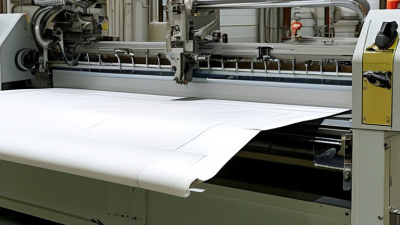
China’s nonwoven manufacturing industry has become a major source of production equipment, but choosing the right supplier requires more than comparing prices. A reliable non woven cloth cutting machine should deliver clean edges, stable feeding, accurate sizing, and consistent output during long production runs.
Industry forecasts show why this equipment matters. Grand View Research estimated the global nonwoven fabrics market at approximately USD 53.7 billion in 2022, with strong growth expected through 2030. Smithers also reported continued demand for nonwovens in hygiene, healthcare, filtration, automotive, and construction applications. These sectors require dependable converting performance. Small cutting errors can create visible waste beside a high-speed production line.
China offers a broad supplier base. Some manufacturers focus on standard roll cutters, while others develop ultrasonic, hot, or automatic slitting systems. The differences are practical. Ask about blade life, cutting width tolerance, motor control, spare-part availability, and commissioning support. Factory visits and sample trials provide stronger evidence than polished brochures.
No machine is perfect. A low purchase price may hide maintenance costs or limited after-sales service. Certifications can support trust, but they do not replace operating tests and customer references. This guide examines how to evaluate China’s leading manufacturers using technical capability, production experience, quality controls, and service reliability. The best choice should match your material weight, roll diameter, speed requirements, and final product standards—not simply the supplier’s marketing claims.
What Is a Non-Woven Cloth Cutting Machine?
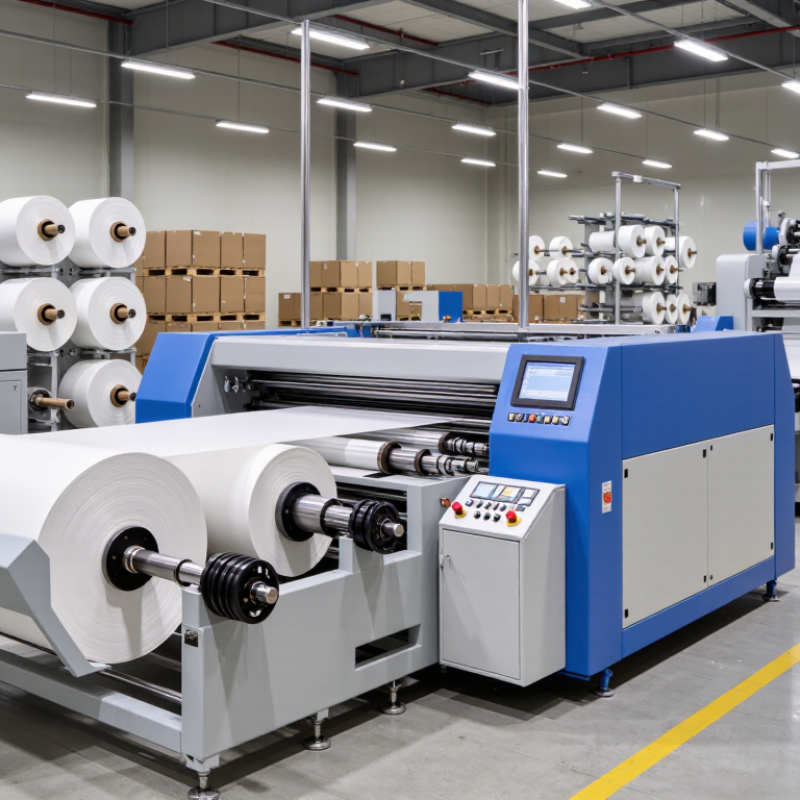
A non-woven cloth cutting machine is industrial equipment designed to divide rolls or sheets of non-woven fabric into accurate widths or lengths. It uses cutting blades, guide rollers, a feeding system, and a control panel. Unlike woven textiles, non-woven materials are bonded fibers, so they may stretch, compress, or produce loose edges during cutting.
In practical production, the operator places a fabric roll on the unwinding shaft. The machine feeds the material through aligned rollers, while rotary or straight blades make controlled cuts. Adjustable cutting width is important for bags, medical textiles, filtration materials, and packaging applications. A stable tension system helps prevent wrinkles. Clean blades also reduce dust and uneven edges.
Experienced users check blade sharpness, shaft alignment, cutting speed, and emergency-stop functions before operation. Small errors can create large amounts of waste. No machine is perfect. Some lightweight fabrics still shift during fast cutting, especially in humid workshops. This point is often underestimated. Buyers should test their actual material, thickness, roll diameter, and required tolerance before choosing equipment. Clear manuals, operator training, guarding, and documented quality checks also support dependable production and safer daily use.
How Does a Non-Woven Cloth Cutting Machine Work?
A non-woven cloth cutting machine begins with roll unwinding. The material passes through guide rollers and a tension-control system. This keeps the web flat and stable. An encoder measures movement and sends length data to the control unit. The machine then activates a rotary blade, straight blade, or heated cutter. Cutting pressure depends on fabric thickness, fiber density, and production speed. Operators can set fixed lengths, repeat patterns, or continuous slitting. Some systems also remove edge waste during operation.
The process looks simple. It is not always perfect. Uneven tension can create wavy edges or inaccurate pieces. Dust may collect near the blade and affect cutting quality. Smithers’ report, The Future of Global Nonwovens to 2028, forecasts continued growth in global nonwoven demand, increasing pressure on converters to improve speed and material efficiency. A 2023 EDANA industry report also highlights strong demand from hygiene, medical, and filtration applications. These sectors require clean edges and repeatable dimensions. Small errors can become expensive across thousands of pieces.
Tips: Check blade sharpness before each shift. Clean rollers regularly. Test three sample cuts first. Keep tension moderate, not excessive. Record speed, fabric weight, and cutting results. That record helps technicians adjust settings later. Operators should also inspect the first finished roll, because the machine may hide alignment problems at high speed. Human judgment still matters. Production data alone cannot explain every defect.
China Best Non Woven Cloth Cutting Machine Manufacturer? - How Does a Non-Woven Cloth Cutting Machine Work?
The table below summarizes common non-woven cloth cutting machine configurations, operating principles, and practical selection parameters. Specifications are typical industry ranges and may vary according to material composition, roll dimensions, automation level, and cutting-tool design.
| Machine Configuration | Cutting Principle | Suitable Non-Woven Materials | Typical Working Width | Typical Material Thickness | Typical Operating Speed | Cutting Accuracy | Common Applications |
|---|---|---|---|---|---|---|---|
| Roll-to-Roll Slitting Machine | Rotary knives slit a continuous master roll into narrower rolls while the material is unwound and rewound. | Spunbond, meltblown, SMS, laminated non-woven rolls, and composite webs | 1,300–3,200 mm | 0.02–3.00 mm | 80–250 m/min | Typically ±0.5–1.0 mm, depending on web tension and knife setup | Roll conversion, medical fabric production, hygiene products, packaging materials |
| Automatic Cross-Cutting Machine | A guillotine blade or rotary cross-cutting knife cuts the web across its width at programmed length intervals. | Spunbond, needle-punched felt, filtration fabric, agricultural covers, and protective non-wovens | 1,600–3,200 mm | 0.05–10.00 mm | 20–80 cuts/min | Typically ±1.0–2.0 mm per cut | Sheets, blanks, absorbent layers, disposable product components |
| Servo CNC Pattern-Cutting Machine | A computer-controlled knife follows programmed contours to cut shapes, perforations, and nested patterns. | Non-woven composites, felt, automotive insulation, filtration media, and technical textiles | 1,600–2,500 mm | 0.5–20.00 mm | 5–30 m/min cutting travel | Typically ±0.5–1.0 mm | Automotive parts, insulation panels, custom shapes, small and medium production runs |
| Ultrasonic Cutting Machine | High-frequency mechanical vibration cuts and seals the edge at the same time, reducing loose fibers and fraying. | Polypropylene, polyester, spunlace, laminated non-wovens, and multilayer fabrics | 300–2,000 mm | 0.1–5.00 mm | 10–60 m/min | Typically ±0.5–1.5 mm | Medical components, filter media, bags, strips, and sealed-edge parts |
| Laser Cutting Machine | A focused laser beam thermally cuts the material and can seal the cut edge on selected synthetic non-wovens. | Polyester, polypropylene, acrylic, coated non-wovens, and precision technical textiles | 1,000–2,000 mm | 0.1–10.00 mm | 1–30 m/min, depending on power and material | Typically ±0.1–0.5 mm | Precision prototypes, intricate patterns, technical parts, and low-volume customized work |
| Die-Cutting Press | A shaped steel-rule die or solid die presses through stacked or continuous non-woven material. | Felt, filter media, insulation, gasket materials, and laminated non-woven sheets | 300–1,600 mm | 0.5–50.00 mm, depending on stacking method | 20–100 strokes/min | Typically ±0.2–1.0 mm | High-volume repetitive shapes, pads, discs, gaskets, and industrial components |
| Bag-Making and Handle-Cutting Line | The web is fed, folded, sealed, cut to length, and formed into bags; servo controls synchronize each step. | Spunbond polypropylene and laminated shopping-bag non-wovens | 320–1,200 mm bag width | 40–120 g/m² basis weight | 40–120 bags/min | Typically ±1.0–2.0 mm for bag length | Shopping bags, promotional bags, tote bags, and reusable packaging |
| Perforating and Micro-Slitting Unit | Perforation wheels or fine rotary blades create controlled holes, tear lines, or narrow slits in the web. | Medical non-wovens, hygiene materials, filter media, and breathable laminates | 600–2,000 mm | 0.02–2.00 mm | 50–200 m/min | Typically ±0.5–1.0 mm for slit or perforation position | Breathable films, disposable products, filter elements, and tear-off rolls |
How the machine works: A typical system unwinds the non-woven roll, controls web tension, aligns the material with sensors or edge guides, performs longitudinal or cross-cutting with the selected tool, and then collects the finished sheets or rolls. For consistent results, the machine should be matched to the fabric's fiber type, basis weight, thickness, roll width, required tolerance, and production speed.
Key Features of High-Quality Cutting Machines
Choosing the best non woven cloth cutting machine requires more than checking cutting speed. The machine must protect fabric structure, edge quality, and production consistency. Grand View Research reported that the global nonwoven fabrics market reached approximately USD 53.5 billion in 2022. It also expects continued growth through 2030. Demand is rising. Errors become expensive.
A high-quality cutting machine should use servo-driven feeding and real-time tension control. These systems reduce stretching, wrinkles, and uneven roll movement. A sharp rotary or ultrasonic blade should create clean edges with minimal fraying. Cutting accuracy should remain stable across medical, filtration, packaging, and industrial materials. According to ISO 9073-3, tensile testing helps evaluate nonwoven strength. Therefore, operators should inspect cut samples, not rely only on screen settings. A 0.5-millimeter deviation can affect downstream sealing.
Useful machines also record speed, blade life, material width, and downtime. This data supports preventive maintenance and improves traceability. Smithers’ nonwovens market analysis highlights growing technical applications, where repeatable quality matters more than headline speed. In practice, automatic roll alignment can save more material than a faster blade. The ideal setting is rarely the factory setting. Operators still need careful trials for soft, elastic, or multilayer fabrics. One weakness remains: advanced controls cannot correct poor material storage. Humidity, compression, and dust may still change cutting results. Safety guarding, emergency stops, easy cleaning, and accessible replacement parts should be treated as essential features, not optional extras.
How to Choose the Best Chinese Manufacturer
Choosing the best Chinese non-woven cloth cutting machine manufacturer requires more than comparing prices. Grand View Research valued the global nonwoven fabrics market at approximately USD 53.5 billion in 2023. Its report also projects a 7.2% annual growth rate from 2024 to 2030. This expansion increases demand for accurate, stable cutting equipment. The manufacturer should understand your fabric weight, roll width, cutting speed, and edge requirements.
Ask for a live cutting test using your actual material. Check the blade system, servo response, tension control, and dust management. A reliable factory should provide machine drawings, electrical details, maintenance schedules, and traceable quality records. ISO 9001 certification can support process control, but it cannot replace a real factory audit. Inspect the assembly area. Watch how operators measure alignment. Small habits reveal large risks.
Smithers’ industry outlook, The Future of Nonwovens to 2028, highlights continued demand for automation and higher production efficiency. Therefore, examine software functions, fault alarms, safety protection, and remote support. Request references from similar applications, not only impressive output figures. Clarify spare-part availability and response times in writing. A low quotation may hide weak bearings or limited after-sales service. That is easy to overlook. I would also compare three test reports, because one successful sample proves very little. A careful decision balances cutting precision, service reliability, verified data, and long-term operating cost.
How to Choose the Best Chinese Non-Woven Cloth Cutting Machine Manufacturer
Recommended procurement weighting for comparing manufacturers without relying on brand names
A practical supplier evaluation should give the highest priority to cutting precision and production throughput, followed by after-sales service, machine safety, and total cost of ownership. Buyers should verify each item through technical specifications, sample cutting tests, factory audits, warranty terms, spare-parts availability, and documented customer references.
Applications, Maintenance, and Service Considerations
China’s non woven cloth cutting machine industry serves hygiene products, medical textiles, packaging materials, filtration media, and agricultural fabrics. Each application demands a different cutting approach. Thick felt may require slower feeding and stronger pressure. Lightweight spunbond fabric needs stable tension to prevent stretching and curled edges. Before purchasing, manufacturers should test actual material rolls, not only sample sheets.
Maintenance directly affects cutting accuracy and production safety. Operators should remove loose fibers from the blade housing after every shift. They should inspect blade sharpness, guide rollers, sensors, and emergency stops each week. Lubrication must follow the equipment manual and the material environment. Excess oil can stain absorbent fabric. Poor alignment can create a visible diagonal edge. Small defects become expensive when repeated across thousands of meters.
Service quality deserves equal attention. A reliable supplier should provide installation guidance, operator training, spare-part information, and clear response times. Remote support is useful, but complex faults may require an experienced technician on site. Ask whether service records, wiring diagrams, and maintenance videos are available. These details reduce dependence on one engineer. A perfect maintenance schedule is unrealistic in busy workshops. However, ignoring minor vibration is worse. I have seen teams postpone blade replacement, then blame the machine for inconsistent cuts. Practical inspections and honest communication usually protect output better than attractive specifications.
Related Posts
-
Top Non Woven Cutting Machine Suppliers Worldwide
-
2025 How to Choose the Best Non Woven Cutting Machine for Your Needs
-
How to Choose the Best Non Woven Cloth Cutting Machine for Your Needs?
-
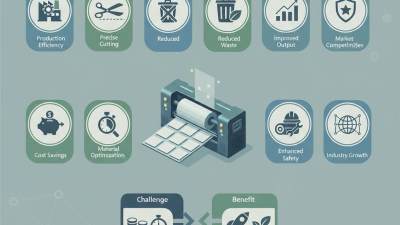
Top 10 Benefits of Non Woven Cloth Cutting Machines for Your Business?
-
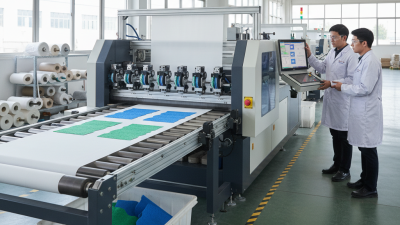
Top 10 Benefits of Using Non Woven Cutting Machines for Your Business?
-
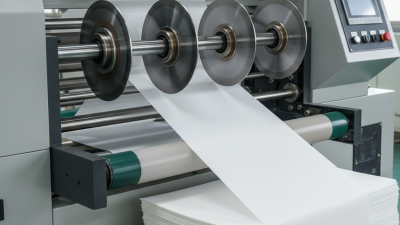
2026 Best Non Woven Cloth Cutting Machine Reviews and Buying Guide?