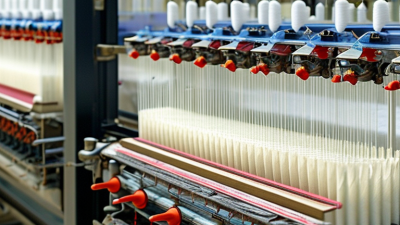
China Best Non Woven Equipment Supplier for Global Buyers
Choosing the right non woven equipment supplier can shape production quality, operating costs, and long-term competitiveness. Global buyers need more than attractive prices. They need stable machinery, clear documentation, responsive service, and proven factory experience.
Dr. Behnam Pourdeyhimi, a respected nonwovens researcher, has described the industry simply: “Nonwovens are a platform technology.” This observation explains their wide use in hygiene products, medical materials, filtration media, construction fabrics, and automotive components. A reliable supplier should understand these differences. Spunbond lines, meltblown systems, needlepunch machines, and thermal bonding units require different controls, speeds, and maintenance plans. Small design choices matter. A poorly matched winder can create wrinkles, waste, and unstable rolls.
This guide examines how China-based manufacturers serve international customers. It considers machine configuration, production capacity, energy use, automation, quality testing, installation support, and spare-parts availability. Buyers should request material samples, factory records, technical drawings, and realistic output data. They should also inspect how suppliers respond when problems appear after commissioning. That moment reveals practical reliability.
No supplier is perfect. Even experienced factories can underestimate shipping delays, operator training, or regional service needs. Buyers may also focus too heavily on purchase price. That can become an expensive mistake. Careful evaluation remains essential. The strongest partnership combines competitive manufacturing with transparent communication and measurable performance. This introduction provides a practical framework for finding non woven equipment that supports consistent production across demanding global markets.
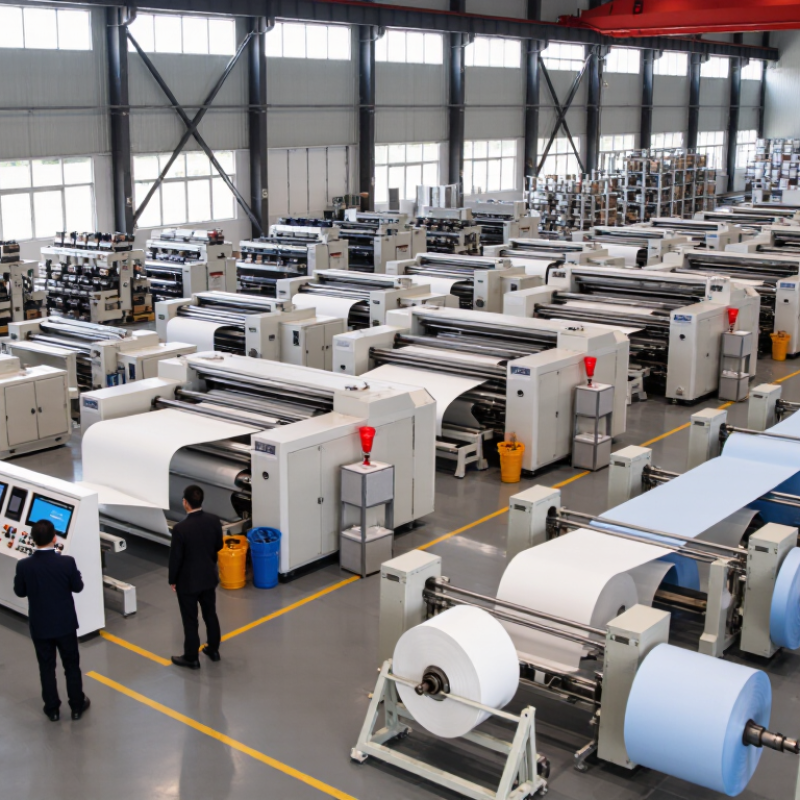
What Makes China a Leading Source of Nonwoven Equipment
China has become a leading source of nonwoven equipment because its manufacturing ecosystem is broad, fast, and practical. Machinery suppliers work near producers of spunbond, meltblown, needle-punch, and thermal-bonding lines. This shortens feedback cycles. Engineers can adjust web width, fiber weight, speed, and energy use during factory trials. In my experience, this matters more than a polished catalog.
Industry data supports this position. Grand View Research estimated the global nonwoven fabrics market at about USD 53.5 billion in 2023, with strong growth expected through 2030. The China Nonwovens and Industrial Textiles Association has also reported China’s large production base and expanding technical-textile capacity. That scale encourages local suppliers to improve automation, spare-parts availability, and process control. Export experience helps too. Buyers can often request customized layouts, multilingual manuals, and remote commissioning. Still, the supply chain is not flawless. Quality can vary between workshops, and fast delivery may hide compromises in testing.
Tips: Ask for verified output data, energy consumption, and product samples. Check the machine’s tension control, filtration system, and changeover time. Request a factory acceptance test with your own material. A low quotation is not always a low operating cost. Compare lifecycle expenses, operator training, maintenance access, and replacement-part lead times. Independent inspection is wise, even when communication feels easy.
Main Types of Nonwoven Equipment Available from Chinese Suppliers
Chinese suppliers offer several nonwoven equipment types for global buyers. Spunbond and meltblown lines produce continuous webs for hygiene, medical, filtration, and packaging applications. Spunlace equipment uses high-pressure water jets to entangle fibers. It creates soft fabrics for wipes and personal-care products. Needlepunch lines mechanically bond fibers with thousands of needles. They suit geotextiles, automotive felts, carpets, and insulation.
Thermal-bonding machines use heat to strengthen synthetic fiber webs. Airlaid systems form bulky cellulose-based materials for absorbent products. Many Chinese factories also supply slitting, rewinding, laminating, and packaging equipment. This helps buyers build a complete production route. Grand View Research reported that the global nonwoven fabric market reached about USD 53.5 billion in 2023. Its forecast suggests continued growth through 2030. Smithers also identifies hygiene, filtration, and construction as important demand areas. Capacity alone is not enough. Fiber compatibility, GSM stability, energy use, and maintenance access often decide actual profitability.
Tips: Ask for sample production before signing a purchase agreement. Check web uniformity at both low and high speeds. Request verified data for output, power consumption, and compressed-air demand. Factory acceptance testing should include alarms, emergency stops, and changeover time. A lower initial price may hide higher downtime. That lesson is easy to miss. Buyers should also review installation training, spare-part availability, and remote technical support. Specifications can look excellent on paper, yet real production may vary.cuntegn
How Global Buyers Can Evaluate Chinese Equipment Suppliers
Global buyers evaluating Chinese non woven equipment suppliers should begin with measurable production needs, not attractive brochures. Smithers’ Future of Global Nonwovens to 2029 reports continued growth in hygiene, filtration, and construction applications. That growth makes stable output more valuable than a low purchase price. Ask for line speed, web width, fiber compatibility, energy use, and proven production tolerances. Request a live trial using your own raw materials. A sample made from carefully selected fibers may not represent daily performance.
Audit the supplier’s engineering process and factory controls. Check whether drawings, electrical diagrams, spare-parts lists, and software backups are documented. ISO 9001 quality-management data can support this review, but certification alone proves little. Inspect welding, tension control, heating zones, and safety guarding in person or through an independent auditor. Measure noise, temperature, and finished-roll uniformity during a factory acceptance test. Small details matter.
Review installation records from comparable projects, without relying only on testimonials. Confirm technician availability, response times, training hours, and remote-support limits in writing. Calculate total ownership cost, including power consumption, consumables, maintenance, and downtime. Energy efficiency deserves attention because the International Energy Agency continues to identify industrial energy use as a major cost and emissions concern. Measure twice. I would also leave room for doubt: delivery promises may look precise, while commissioning schedules often change. A reliable supplier explains risks early and accepts documented performance tests.
China Best Non Woven Equipment Supplier for Global Buyers - How Global Buyers Can Evaluate Chinese Equipment Suppliers
| Evaluation Dimension | Practical Buyer Benchmark | Documents or Tests to Request | Weight | Scoring Guidance |
|---|---|---|---|---|
| Equipment Fit and Process Capability | The proposed line should match the target nonwoven process, including spunbond, meltblown, needlepunch, spunlace, thermalbond, or composite production. | Process-flow diagram, technical specification, raw-material requirements, product samples, and a written list of included and excluded equipment. | 20% | 5 = Fully matches the product, fiber, width, and application requirements; 3 = Minor modifications required; 1 = Major process risks remain. |
| Rated Capacity and Product Width | Capacity should be stated as a guaranteed production range under defined raw-material, basis-weight, width, and operating conditions. A typical contract should identify both nominal and guaranteed output. | Capacity calculation, basis-weight range, usable working width, line-speed range, utility conditions, and a factory acceptance test protocol. | 10% | 5 = Output and width are contractually guaranteed; 3 = Only nominal figures are supplied; 1 = No measurable guarantee. |
| Energy and Utility Consumption | Electricity, compressed air, water, steam, gas, and heating requirements should be calculated per operating hour and, where possible, per kilogram of finished fabric. | Utility-load list, motor ratings, heating-load calculations, compressed-air quality requirements, and measured consumption from a comparable test run. | 10% | 5 = Complete and test-supported utility data; 3 = Estimated data only; 1 = Utility requirements are unclear. |
| Product Quality and Process Stability | The line should demonstrate stable basis weight, web uniformity, tensile performance, elongation, air permeability, filtration performance, or other agreed product characteristics. | Laboratory test reports, control-limit records, sample rolls, inspection procedures, and agreed quality tolerances for the final product. | 10% | 5 = Quality limits are measurable and demonstrated; 3 = Samples are acceptable but data is incomplete; 1 = Quality claims are unsupported. |
| Safety and Regulatory Compliance | The machine should include guarding, emergency stops, lockout provisions, risk assessment, electrical documentation, and market-specific conformity documentation. | Risk assessment, declaration of conformity where applicable, electrical schematics, safety-circuit documentation, manuals, and inspection records. IEC 60204-1 and ISO 13849-1 may be used as relevant technical references. | 10% | 5 = Complete documentation for the destination market; 3 = Partial documentation; 1 = Safety evidence is missing. |
| Factory Acceptance Test | The buyer should approve a written FAT before shipment, covering output, product quality, alarms, safety functions, utilities, and automatic-control performance. | FAT checklist, test conditions, acceptance tolerances, calibration records, video evidence, punch list, and signed corrective-action report. | 10% | 5 = Independent or buyer-witnessed FAT available; 3 = Internal test only; 1 = No formal acceptance procedure. |
| Installation, Commissioning, and Training | The supply scope should define mechanical installation, electrical commissioning, operator training, maintenance training, production ramp-up, and travel responsibilities. | Installation schedule, staffing plan, training agenda, commissioning checklist, language arrangements, and production start-up support terms. | 10% | 5 = Complete on-site or clearly defined remote support; 3 = Limited support; 1 = Buyer must manage commissioning alone. |
| Spare Parts and Maintainability | Critical wear parts, heating elements, sensors, belts, filters, bearings, control components, and recommended consumables should be identified before purchase. | Two-year spare-parts list, part numbers, recommended stock levels, maintenance intervals, interchangeability information, and lead times. | 5% | 5 = Clear parts system and practical lead times; 3 = Basic list available; 1 = Parts identification is difficult. |
| Delivery, Packaging, and Project Control | The contract should define manufacturing milestones, inspection points, shipping terms, export packaging, preservation against corrosion, and responsibility for delays. | Detailed project schedule, packing list, container-loading plan, quality-control checkpoints, Incoterms® rule, and delay-remedy clauses. | 5% | 5 = Transparent milestones and responsibilities; 3 = General delivery promise; 1 = No project-control structure. |
| Commercial Transparency and Contract Protection | The quotation should separate equipment, optional items, installation, commissioning, training, spare parts, taxes, freight, insurance, and payment milestones. | Itemized quotation, technical annex, warranty terms, performance guarantees, payment schedule, change-order procedure, and dispute-resolution clause. | 5% | 5 = Fully itemized and enforceable contract; 3 = Some commercial ambiguity; 1 = High exposure to hidden costs. |
| Verifiable Experience and References | Relevant references should operate similar equipment, use comparable raw materials, and produce products with similar width and basis-weight requirements. | At least two independently verifiable customer references, installation dates, operating conditions, service history, and permission for reference calls or site visits. | 5% | 5 = Multiple relevant and verifiable installations; 3 = General references only; 1 = No verifiable operating history. |
| Total Evaluation Weight | 100% | Use a 1–5 score for each dimension and multiply by the assigned weight. | ||
Note: Capacity, energy consumption, quality tolerances, delivery time, and warranty conditions are project-specific. Buyers should treat the benchmarks above as evaluation requirements and confirm all figures through contract documents, testing, and independent verification.
Key Technical, Quality, and Compliance Considerations
Inspect frame alignment, weld consistency, electrical cabinets, sensor protection, and accessible maintenance points. Require material certificates and traceability for critical components. Factory acceptance testing should measure output stability, fabric uniformity, noise, and emergency-stop response. Test samples should reflect your intended raw materials. Otherwise, the result can look better than daily production.
Request risk assessments, operating manuals, wiring diagrams, safety labels, and applicable conformity documents. Requirements differ by destination, so local machinery, electrical, and workplace rules must be checked before shipment. Verify guarding around rollers, heated zones, cutting units, and moving drives. Training records and spare-parts lists also support safer commissioning. Some suppliers provide complete files but weak technical support. That gap deserves attention. Supplier audits, staged payments, inspection photos, and independent testing can reduce uncertainty, although they cannot replace proper on-site validation.
Purchasing, Installation, and After-Sales Support Processes
China Best Non Woven Equipment Supplier for Global Buyers
Purchasing, Installation, and After-Sales Support Processes
Purchasing non woven equipment should begin with a verified production plan, not a general price list. Experienced suppliers review material type, fabric width, output targets, power supply, and factory space. Buyers should request equipment drawings, utility requirements, production samples, and a clear list of included components. A practical quotation separates machine cost, shipping, installation, training, and spare parts. This prevents uncomfortable surprises later.
Before shipment, technical teams can confirm wiring diagrams, foundation details, and safety arrangements through online meetings. Factory acceptance testing is valuable when it uses the buyer’s actual specifications. Photos, inspection records, and trial-production data create a reliable reference. Small details matter. A misplaced cable can delay commissioning.
Installation normally includes mechanical assembly, electrical connection, calibration, and operator training. Skilled technicians should explain temperature control, tension adjustment, filter replacement, and emergency procedures. Remote guidance may reduce travel time, but it cannot replace careful on-site inspection when conditions are complex. A rushed handover can still happen, even with a detailed schedule. That weakness deserves honest review.
After production starts, support should follow a defined process. Operators need contact channels, response times, troubleshooting forms, and recommended spare-parts lists. Remote diagnosis often begins with videos, alarm records, material samples, and operating data. Some problems come from settings, not equipment defects. Regular maintenance reminders can protect output quality and reduce unplanned stoppages. Suppliers should also record recurring issues and improve future training.
Related Posts
-
How to Choose the Best Non Woven Fabric Machine?
-
Top Tips for Choosing the Best Non Woven Fabric Machine?
-
What is Non Woven Fabric Production Line at Canton Fair 2026?
-

Top Non Woven Textile Manufacturers in China You Should Know?
-
2026 How to Choose the Right Fabric Winding Machine for Your Business?
-

What is a Non Woven Production Line and How Does It Work?