Why Choose the Best Non Woven Cloth Manufacturer for Your Needs?
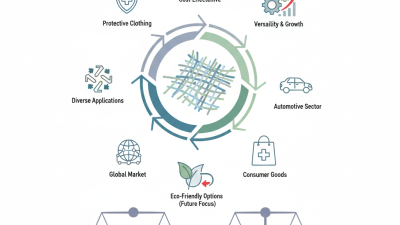
When selecting a non woven cloth manufacturer, quality should be paramount. Statistics show that the global non-woven fabric market is expected to reach $50 billion by 2025. This growth underscores the rising demand for high-quality fabrics in various industries, including healthcare and construction. Choosing the right manufacturer can influence product integrity and sustainability.
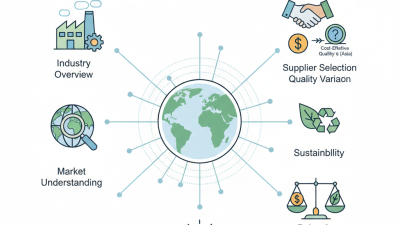
Expertise in manufacturing non woven fabrics is crucial. A reputable manufacturer ensures that their products meet industry standards. They should comply with ISO certifications and quality management systems. Reliable manufacturers also provide transparency in sourcing materials, which is vital for ethical considerations. The wrong choice can lead to subpar products and increased costs.
Consider the potential risks of using lower-tier manufacturers. These may include inconsistent material quality and unreliable delivery schedules. It’s essential to prioritize manufacturers known for their experience and reputation in the field. Ultimately, selecting the best non woven cloth manufacturer can positively impact your business and customer satisfaction.
Understanding Non Woven Cloth and Its Applications
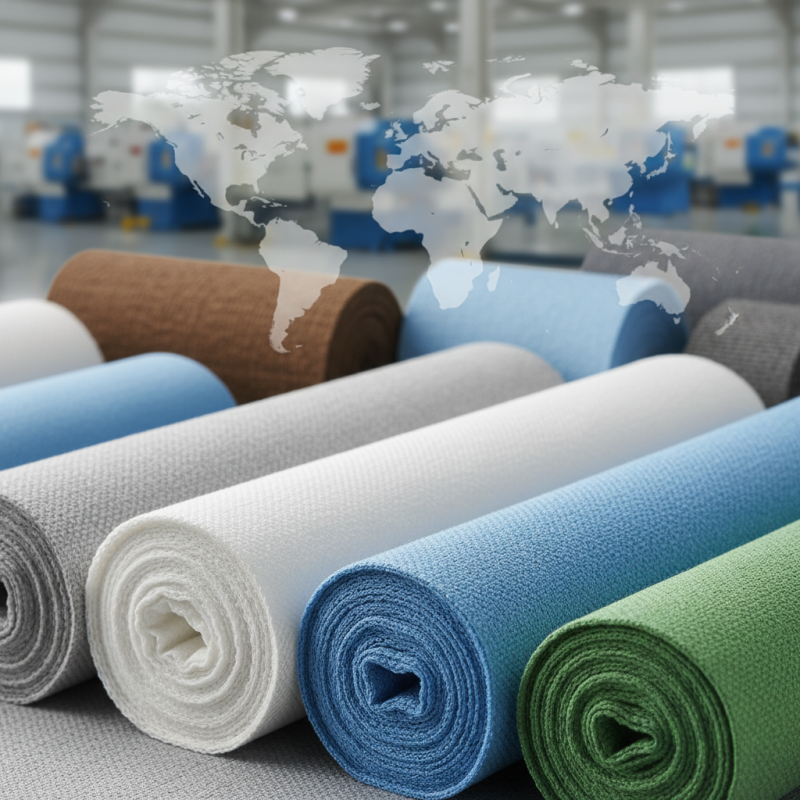
Non woven cloth has gained significant traction in various industries due to its versatility and functionality. This fabric is created through bonding fibers together, rather than weaving. As a result, it can be produced in various forms, from medical masks to household products. Its lightweight nature and cost-effectiveness make it a popular choice for many applications.
The applications of non woven fabric are vast. In healthcare, it is used for disposable gowns, drapes, and surgical masks. These items help to maintain hygiene and prevent infection. In the automotive industry, non woven materials are used in sound insulation and interior components. This fabric also plays a role in agriculture, providing ground cover and plant protection. Despite its many uses, some may question its durability compared to woven fabrics. Non woven materials can sometimes lack strength in high-stress situations, requiring careful consideration of the intended application.
Choosing a reputable non woven cloth manufacturer is crucial. A manufacturer’s expertise directly influences the quality of the final product. Evaluating their experience and customer feedback can provide insights into their reliability. Additionally, understanding production processes and materials used can enhance trust in their products. Selecting the right manufacturer ensures that your needs are met efficiently and effectively.
Key Factors to Consider When Choosing a Manufacturer
Choosing a non woven cloth manufacturer requires careful thought. Start by assessing their experience in the industry. Experienced manufacturers tend to understand market trends and customer needs better. Look for companies that have been in the business for years. A strong track record often signifies reliability.
Quality control is another crucial factor. Inspect the manufacturing process. A firm that prioritizes quality standards typically produces superior fabrics. Ask questions about their materials and techniques. Sometimes, manufacturers overlook minor details that can affect the final product. Don’t be afraid to dig deeper and seek clarification.
Consider customer support as well. A manufacturer that provides robust support can make your experience smoother. Whether through timely communication or efficient problem-solving, support can significantly impact your satisfaction. Reflect on your specific needs, and choose a manufacturer who aligns with those priorities. Sometimes, turning to newer companies can yield surprising results, but ensure their direction fits your expectations.
Evaluating Quality Standards in Non Woven Fabric Production
When selecting a non-woven fabric manufacturer, evaluating quality standards is crucial. The production of non-woven fabrics relies on precise manufacturing techniques. According to a report by Smithers Pira, non-woven fabric production is expected to grow at a CAGR of 5.7% from 2021 to 2026. This growth highlights the importance of quality assurance in meeting increasing market demands.
Quality standards in non-woven production often include certifications like ISO 9001. Manufacturers must follow stringent guidelines to maintain product consistency. Testing procedures involve assessing physical properties, such as tensile strength and absorbency. A study from Technavio indicates that products meeting these standards tend to have better durability and performance ratings. However, not all manufacturers prioritize these quality benchmarks. Some may cut corners for cost-efficiency.
Furthermore, evaluating a manufacturer's supply chain is vital. A reliable supply chain ensures timely delivery and consistent quality materials. A 2022 report from Allied Market Research indicates that over 30% of fabric quality issues stem from poor raw material sourcing. This statistic emphasizes the need for transparency in sourcing practices. It’s essential to choose a manufacturer that values quality throughout their entire production process, not just during the final stages.
Sustainability Practices Among Leading Non Woven Cloth Manufacturers
Sustainability is increasingly critical in the non-woven fabric sector. Leading manufacturers are focusing on eco-friendly practices to meet rising consumer demand. According to a 2022 report by Smithers Pira, the global non-woven fabric market is expected to grow by 5.5% annually, driven partly by sustainability trends.
Many manufacturers are adopting biodegradable materials. For instance, some companies are exploring natural fibers like hemp and bamboo. These materials can reduce plastic waste significantly. However, sourcing these fibers can be challenging. Suppliers must ensure quality and consistency in their products. This gap highlights the need for transparency in the supply chain.
Water usage is another area of concern. Some companies have reported water savings of up to 30% through improved processes. These advancements show that achieving sustainability is possible, yet many firms still struggle with compliance. The challenge lies in balancing production efficiency with environmental responsibility. Continuous reflection on current practices is essential for progress.
Sustainability Practices Among Leading Non Woven Cloth Manufacturers