How to Choose the Best Non Woven Fabric Machine for Your Needs?
In today's market, choosing the right non woven fabric machine is crucial for success. The global non-woven fabric industry is projected to reach $50 billion by 2027, according to a recent report by Smithers Pira. This growth presents both opportunities and challenges for manufacturers. Selecting a suitable machine can significantly impact production efficiency and product quality. Industry expert David Chen emphasizes, “The right non woven fabric machine can elevate your production game.”
Understanding specifications and features is vital. Some machines focus on specific fabric types, while others are more versatile. This diversity can create confusion for buyers who need to align technology with their production needs. Additionally, considerations like maintenance and cost-effectiveness cannot be overlooked. It's easy to rush into a decision, but a thorough evaluation is necessary.
Moreover, technology is advancing rapidly. A machine that may seem adequate today could become outdated within a few years. Manufacturers must remain informed about innovations and trends in non woven fabric machines. Therefore, reflecting on your unique requirements is essential. Balancing performance with reliability ensures long-term success in this evolving landscape.
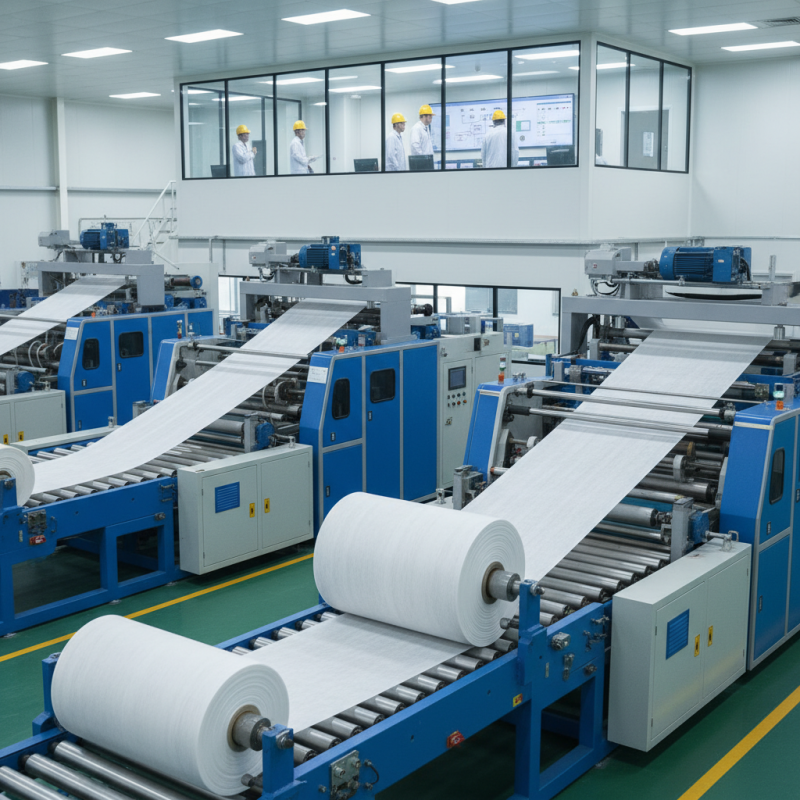
Factors to Consider When Selecting Non Woven Fabric Machines
Choosing the right non woven fabric machine requires careful consideration. Several factors come into play. First, assess your production capacity. Know how much fabric you need to produce daily. This will guide your machine selection based on speed and output.
Next, consider the types of non woven fabrics you wish to create. Different machines accommodate different processes. Whether you plan to produce spunbond, meltblown, or needlespun types, ensure the machine can handle your specific requirements. Another crucial factor is the machine’s versatility. Will it handle various materials? Flexibility in production can enhance your adaptiveness in market demand.
Don't overlook your budget. Machines vary widely in price. Balancing cost and functionality is essential. Conducting a cost-benefit analysis may reveal options that fit your financial constraints yet satisfy your performance needs. Finally, look for machines with good customer support and service. Reliable after-sales service will provide assurance in case of issues, ensuring continuous production without significant downtime.
Factors to Consider When Selecting Non Woven Fabric Machines
The Role of Production Capacity in Non Woven Fabric Machine Choice
When selecting a non-woven fabric machine, production capacity plays a pivotal role. The production capacity defines the maximum output a machine can deliver within a given time frame. Understanding your specific needs helps in making an informed decision. For example, if your business demands high volume production, investing in a machine with a larger capacity is crucial.
However, a higher capacity machine might not suit every situation. It's essential to consider your current production requirements and future growth plans. A machine that produces excessive output may lead to inefficiencies. For smaller operations, a compact machine can provide flexibility and better cost-effectiveness. Evaluating your market demand will help align your choices with real-world needs.
Moreover, assessing the technological features of a machine is necessary. Automation can enhance production speed but may increase initial costs. Balancing capacity with functionality is vital. It's often beneficial to seek insights from industry experts or operators with hands-on experience. They can provide valuable perspectives that might not be clear from technical specifications alone.
How to Choose the Best Non Woven Fabric Machine for Your Needs? - The Role of Production Capacity in Non Woven Fabric Machine Choice
| Machine Type |
Production Capacity (kg/h) |
Fabric Width (cm) |
Energy Consumption (kW) |
Material Compatibility |
| Spunbond Machine |
150 |
160 |
75 |
PP, PLA |
| SMS Machine |
120 |
220 |
85 |
PP |
| Needle Punch Machine |
100 |
150 |
65 |
PP, PET |
| Hydroentanglement Machine |
90 |
200 |
70 |
Cotton, PP |
| Meltblown Machine |
135 |
160 |
80 |
PP, PET |
Understanding the Types of Non Woven Fabric Machines Available
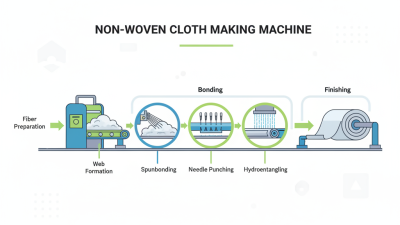
When selecting a non woven fabric machine, it's essential to identify the various types available. Non woven fabric machines can be categorized mainly into spunbond, meltblown, and needlepunch. Each machine type serves a distinct purpose and produces different fabric characteristics. Spunbond machines are renowned for their versatility, creating fabrics suitable for hygiene products and medical applications. These machines guarantee a uniform fabric, but they may require significant adjustments for specific needs.
Meltblown machines are specialized for producing fine fiber non woven fabrics. They excel in filtration applications, offering high filtration efficiency. However, the production rate can be slower. Needlepunch machines, on the other hand, use barbed needle systems for fabric creation. These machines produce durable textiles, ideal for carpets and geotextiles. They can be complex to operate and maintain, raising potential concerns over operation costs.
Choosing the right machine involves understanding the technical specifications that align with your production goals. Consideration of factors such as fabric weight, application, and material types is crucial. Reflect on your operational capacity and potential limitations. Ultimately, the type of non woven fabric machine should be tailored to your specific production requirements for the best outcome.
Key Features to Look for in Non Woven Fabric Manufacturing Equipment
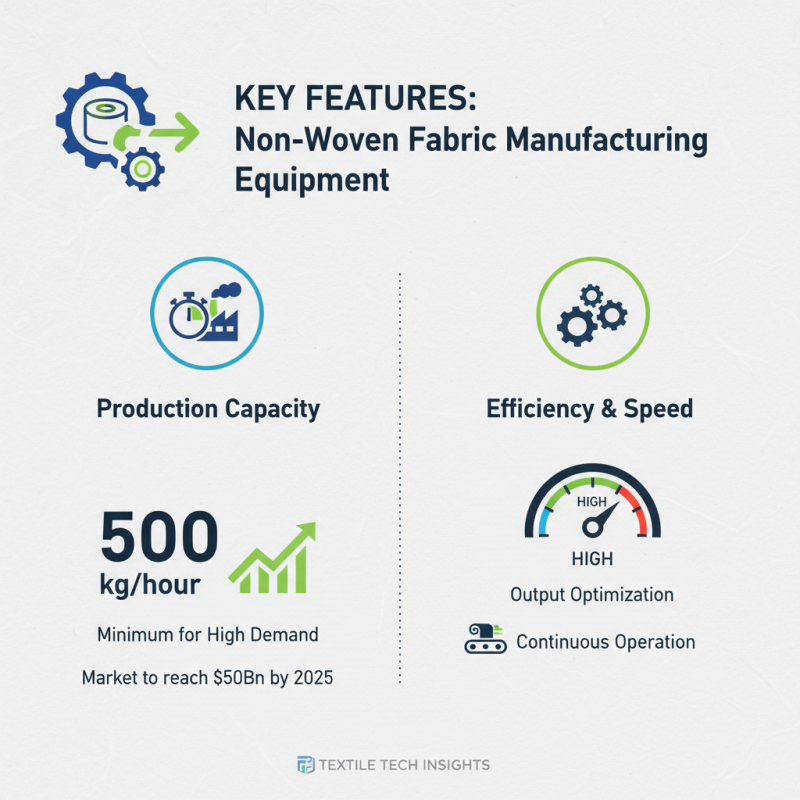
When selecting non woven fabric manufacturing equipment, certain features stand out. First, consider the machine's production capacity. A report from MarketsandMarkets indicates that the non woven fabric market is expected to reach $50 billion by 2025. Machines that can produce at least 500 kg per hour are ideal for meeting growing demand.
Another critical feature is the versatility of the machine. Look for equipment that can handle various raw materials. This flexibility ensures you can adapt to market changes. High-quality machines offer multiple fabric types such as spunbond and meltblown. These options may increase production costs but often result in higher quality products.
Tips: Assess the machine's ease of use. Complex machines require skilled operators, increasing labor costs and potential downtime. Also, invest time in research. Read user reviews and industry reports. Gaps in data can lead to poor investment choices.
Durability is also a key consideration. Check the materials used in the machine's construction. Robust machines tend to last longer, providing better long-term value. However, be aware that the price tag can reflect quality. Sometimes, paying more upfront is wise.
Consider the after-sales support from manufacturers. Some equipment may include warranties and service packages. This aspect is crucial for ongoing maintenance and unexpected repairs. Remember to weigh initial costs against long-term benefits during your decision-making process.
Evaluating Cost vs. Performance in Non Woven Fabric Machines
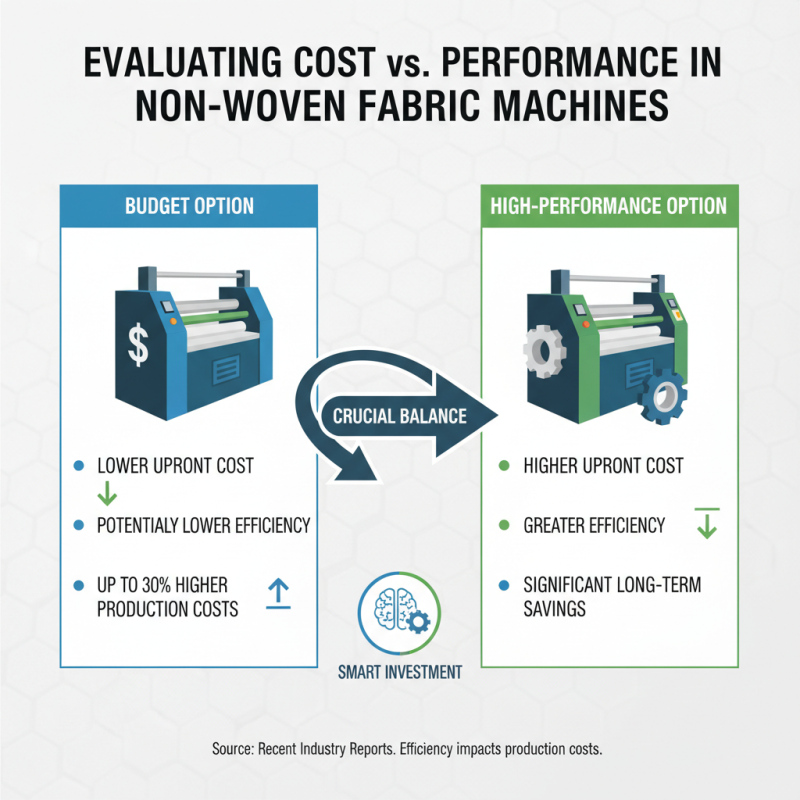
When selecting a non woven fabric machine, balancing cost against performance is crucial. According to recent industry reports, a machine's efficiency can impact production costs by up to 30%. Investing in a high-performance machine may mean higher upfront costs, but it can lead to significant long-term savings. This is often overlooked by manufacturers seeking budget options.
Performance metrics include production speed, energy consumption, and material waste. Machines that operate at higher speeds may use more energy, which could negate the cost benefits. For instance, a state-of-the-art machine might produce 150 meters per minute, compared to 100 meters for a more economical choice.
Reliability is another key factor. A machine that breaks down frequently can result in costly downtimes. Research shows that manufacturers experience up to 15% loss in revenue due to equipment failures. Evaluating these aspects will help in making an informed decision. Balancing quality with affordability can be complex, but understanding your specific needs is essential.