Top Tips for Choosing Textile Industry Machines for Your Business?
When entering the textile industry, choosing the right machines is crucial. Renowned expert Sarah Thompson, a leader in textile manufacturing, emphasizes, "The success of your business hinges on the tools you select." Textile industry machines impact production quality and efficiency. A thoughtful investment can elevate your operations.
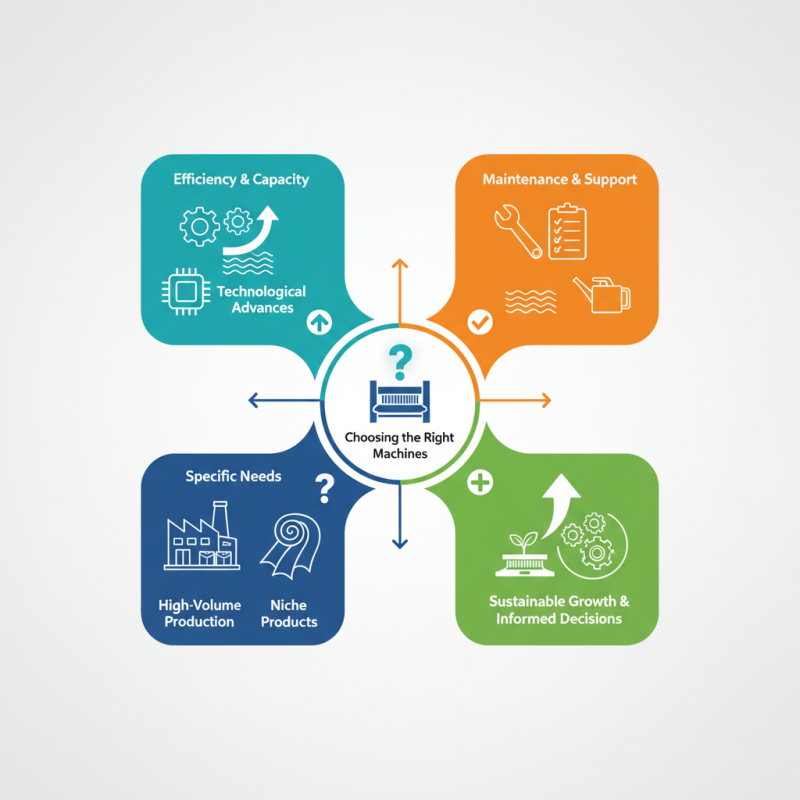
Selecting suitable machines is not merely about price or brand. It's essential to assess efficiency, capacity, and technological advances. Each choice can significantly alter your workflow. This industry thrives on innovation and quality. Businesses often overlook maintenance requirements and support services, which can affect long-term performance.
Furthermore, reflecting on your specific needs is vital. Do you need machines for high-volume production or niche products? Balancing these aspects requires careful consideration and occasional doubts. Remember that the machine you choose shapes your future in the textile industry. Prioritize informed decisions for sustainable growth.
Key Factors to Consider When Selecting Textile Industry Machines
When selecting machines for the textile industry, several key factors play a crucial role. One should consider the scale of production. Larger operations may require advanced machinery with higher output. Smaller businesses should focus on versatile machines that can handle various tasks. This ensures flexibility in product offerings and adaptability to market demands.
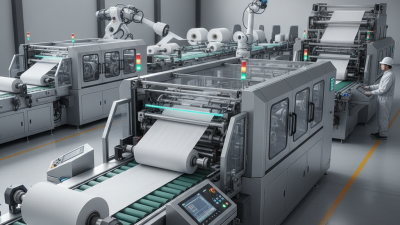
Another important aspect is the technology involved. Opt for machines with updated technology to enhance efficiency. Automation features can significantly reduce labor costs while increasing precision. However, businesses must also reflect on the learning curve associated with advanced machines. Training employees is essential to maximizing these new technologies.
Finally, assess the after-sales support and maintenance services offered. Reliable support minimizes downtime and maintenance issues. It’s vital to verify the availability of spare parts too. A machine that seems perfect might lead to frustrations if backup support is lacking. Balancing these considerations will lead to a more informed decision.
Understanding Different Types of Textile Machinery Available in the Market
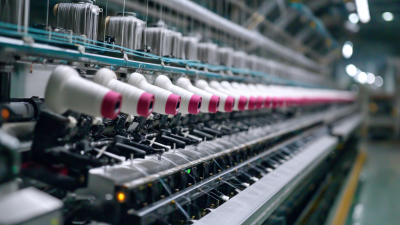
When selecting textile machinery, understanding the available types is crucial. There are various machines that suit different production needs. Weaving looms produce fabric primarily by interlacing threads. Knitting machines create fabric by interlocking loops of yarn. Each machine has its unique capabilities and limitations.
Additionally, dyeing machines facilitate the coloring process of textiles. Different methods produce varying outcomes. Continuous dyeing is efficient for large batches, while batch dyeing allows for more intricate designs. Consider the scale and variety of production to choose appropriately.
Cutting and sewing machines are vital for garment production. Automated options increase efficiency, while manual machines offer flexibility. Reflect on your specific business goals when making a choice. Errors in selection can lead to delays or increased costs. Take time to evaluate each option thoroughly.
Assessing Your Business Needs for Machine Specifications and Capabilities
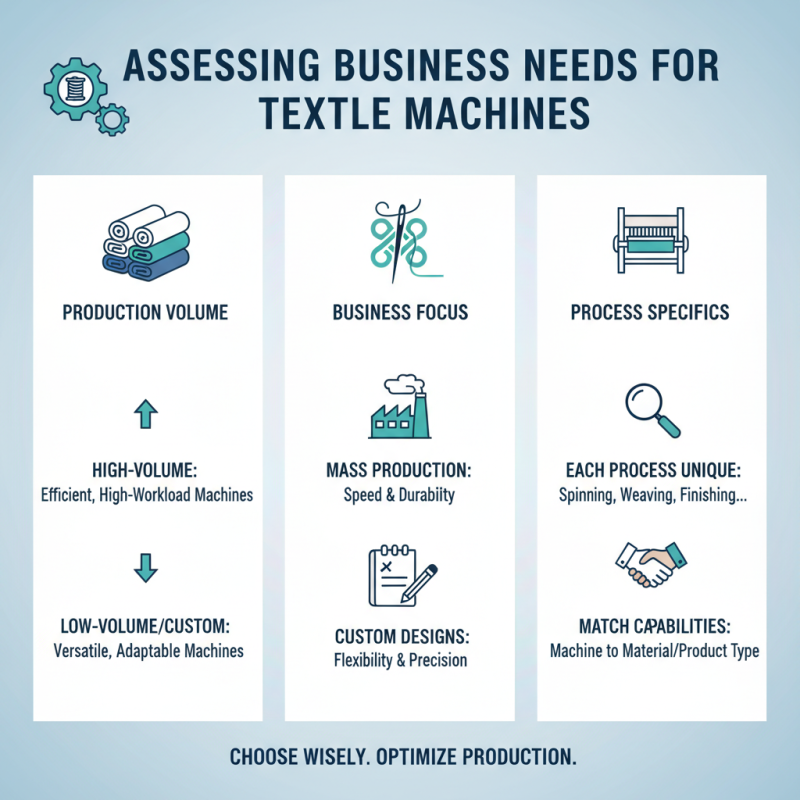
When choosing machines for the textile industry, understanding your business needs is crucial. Each production process has unique specifications. Consider the volume of textiles you plan to produce. High-volume operations often require machines that can handle increased workloads efficiently. If your focus is on custom designs, explore machines with greater versatility.
Tip: Assess the type of fabrics you'll be working with. Different materials may require machines built for specific tasks, such as weaving or embroidery. Investing in machines designed for your material can significantly improve quality.
Think about the user-friendliness of the machines. Operators need intuitive controls to enhance productivity. Lack of proper training can hinder machine performance, leading to costly errors.
Tip: Regularly evaluate machine technology advancements. Older machines may lack efficiency and features that new models offer. A frequent review can keep you informed about what aligns with your evolving needs. Embrace change, but ensure it matches your business goals. Remember, every investment requires reflection, especially in a fast-paced industry.
Evaluating Costs and Budget Constraints for Textile Machinery Investment
When evaluating costs for textile machinery investment, it’s crucial to look beyond the initial price tag. Analyzing total cost of ownership can reveal hidden expenses. Maintenance, operational efficiency, and energy consumption play significant roles in long-term viability. A machine that seems cheaper upfront may lead to higher costs down the line due to inefficiency or frequent repairs. This type of assessment requires a detailed examination of both short-term and long-term financial impacts.
Budget constraints often limit choices, but innovative financing options can provide flexibility. Leasing equipment may reduce upfront costs and free up cash flow. Consider seeking suppliers who offer scalable solutions, allowing for incremental investment. This is vital for businesses that may expand or shift focus in the future. However, be cautious; compromising quality for affordability can lead to operational challenges.
Conducting thorough research and seeking expert advice can greatly aid in making informed decisions. Look for insights from seasoned professionals who have navigated similar choices. Their experiences can illuminate pitfalls to avoid. Ultimately, the right machinery will not only fit within budget but also enhance productivity and support long-term growth.
Investment Comparison for Textile Industry Machines
Researching Supplier Reputation and After-Sales Support for Machinery Purchases
When investing in machinery for the textile industry, supplier reputation is key. A reputable supplier often reflects reliability and quality. Look for suppliers with a proven track record. Explore online reviews and ask industry peers for insights. Sometimes, feedback can reveal aspects that are not apparent in promotional materials.
After-sales support is equally vital. Machines can require maintenance and part replacements. Confirm what support your supplier offers after the sale. Some may provide extensive warranties, while others offer limited assistance. Consider choosing suppliers that offer training and technical support. It can save you headaches in the future.
Tip: Check for local suppliers. They may provide faster service and easier communication. Evaluate their responsiveness during your initial inquiries. A supplier who is slow to respond may not be reliable when issues arise. Investing time in research can make a significant difference in operational efficiency.
Top Tips for Choosing Textile Industry Machines for Your Business
| Criteria |
Description |
Importance Level |
| Supplier Reputation |
Check reviews, testimonials, and industry standing |
High |
| After-Sales Support |
Assess warranty, maintenance services, and support options |
High |
| Machine Efficiency |
Evaluate productivity ratings and energy consumption |
Medium |
| Cost |
Compare initial purchase price and total cost of ownership |
High |
| Customization Options |
Look for adaptability to specific production needs |
Medium |
| Technology Updates |
Consider availability of upgrades and modern technology |
Medium |