Request quote
Request a quote

    How to Choose the Best Non Woven Fabric Machine?

    Choosing the right non woven fabric machine is a production decision, not a simple equipment purchase. The machine affects fiber bonding, fabric strength, line stability, energy use, and long-term operating costs. A low purchase price may look attractive, yet frequent stoppages can quietly damage profit and delivery schedules.

    Dave Rousse, former president of INDA, offers a practical industry view: “The best machine is the one that fits the application, not simply the one with the highest output.” This principle deserves attention. A spunbond line for lightweight hygiene materials has different requirements from a needle-punch machine for automotive interiors or geotextiles. Product width, basis weight, fiber type, bonding method, and expected production volume must guide the decision.

    Details matter.

    Experienced buyers should inspect actual trial results, not rely only on brochures. Ask suppliers for samples made with similar fibers and target weights. Check hourly output under realistic conditions. Also examine operator training, spare-part availability, control-system access, and maintenance response times. These details often decide whether a line performs smoothly after installation.

    There is no perfect machine. Even experienced teams can underestimate cleaning time, installation space, or future product changes. That is an uncomfortable lesson. A careful evaluation should compare total ownership costs, not just the quoted price. It should also include factory visits, customer references, and documented performance data. This guide explains how to compare each factor and choose a non woven fabric machine with greater confidence, technical clarity, and fewer costly surprises.
    How to Choose the Best Non Woven Fabric Machine?

    What Is a Non Woven Fabric Machine?

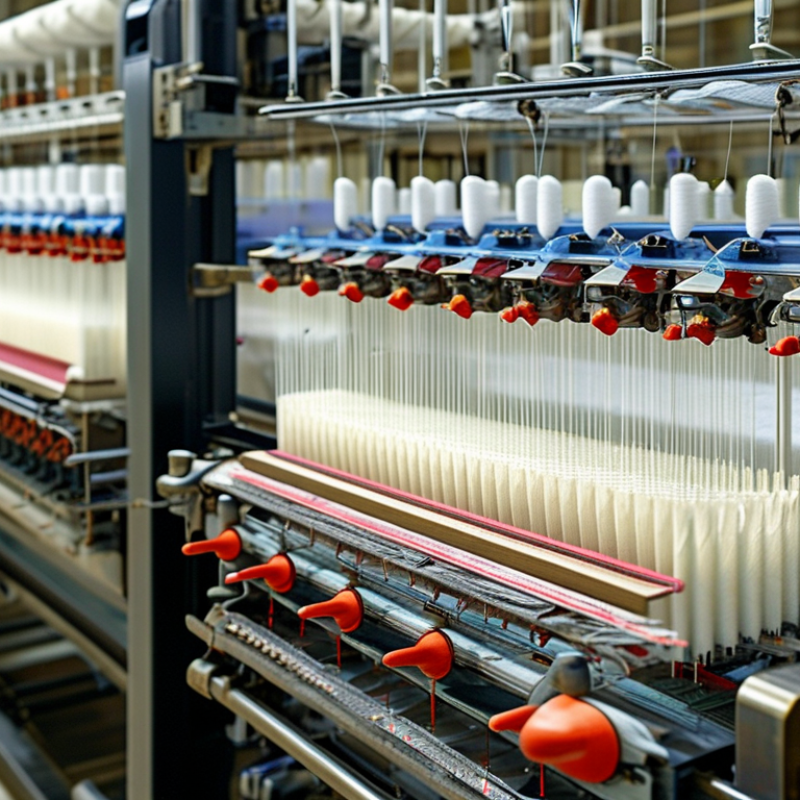
    A non woven fabric machine is industrial equipment that forms textiles without weaving or knitting yarns. It arranges fibers into a loose web, then bonds them through heat, pressure, water jets, chemicals, or mechanical needling. The final material may feel soft like tissue or dense like a filter sheet. That difference comes from the machine’s process, fiber type, line speed, and bonding temperature.

    Common systems include spunbond, meltblown, needle-punch, thermal-bonding, and hydroentanglement lines. A spunbond machine extrudes polymer filaments and lays them continuously. A meltblown machine creates much finer fibers for filtration applications. Needle-punch equipment repeatedly pushes barbed needles through the web. It creates a thicker, more tactile structure.

    According to Smithers’ nonwovens industry outlook, demand is expanding across hygiene, filtration, medical, construction, and automotive applications. Grand View Research also reports continued global market growth through 2030, driven by lightweight materials and improved manufacturing efficiency.

    Choosing the best machine requires matching output requirements with process capability. Check fiber diameter, basis weight, usable width, bonding strength, energy consumption, and waste control. A line producing 20-gram hygiene material cannot be judged like one making heavy geotextiles. Ask for trial data using your actual fibers. That step is often skipped. It should not be. Production speed may look attractive, but unstable web formation can create uneven thickness, weak edges, and expensive rejects. Some published performance figures also assume ideal factory conditions, which deserves careful reflection.

    Which Non Woven Fabric Type Should You Produce?

    How to Choose the Best Non Woven Fabric Machine?

    Choosing a nonwoven machine starts with the product, not the machine catalog. Recent market evidence supports this discipline. Grand View Research estimates the global nonwoven fabric market near US$50 billion in 2023. Its outlook indicates roughly 7% annual growth through 2030. That growth is uneven. Hygiene, filtration, construction, medical, and wipes require different fiber structures. A broad market does not mean every line will sell.

    For disposable hygiene products, spunbond or spunmelt equipment can provide high output and uniform web formation. These lines usually require precise polymer dosing, temperature control, and online weight monitoring. Meltblown machines suit fine filtration media, but airflow stability and die maintenance become critical. Smithers’ nonwovens forecasts continue to identify filtration as a strong technical application. Small process errors can reduce performance quickly. Very quickly.

    Spunlace is suitable for wipes and soft absorbent products, while needlepunch equipment serves carpets, geotextiles, and automotive layers. Airlaid systems fit absorbent cores and lightweight paper-like webs. The choice should include water consumption, energy use, fiber availability, wastewater treatment, and local demand. INDA and EDANA industry reports show that sustainability and resource efficiency increasingly influence purchasing decisions. I would not select the fastest line first. Pilot trials, fiber testing, and customer specifications may expose weaknesses in the original plan. That is useful. A slower machine with stable quality can sometimes protect margins better.

    How to Choose the Best Non Woven Fabric Machine? - Which Non Woven Fabric Type Should You Produce?

    Nonwoven Type Typical Machine Configuration Common Polymer or Fiber Typical Basis Weight Main Advantages Typical Applications Production Difficulty Best Fit for New Investment
    Spunbond Polymer extrusion, spinning beams, web laydown, and thermal calendering Polypropylene is most common; polyester and polyethylene are also used Approximately 10–150 g/m², depending on line design and product requirements High productivity, continuous production, good strength-to-weight ratio, and recyclable thermoplastic feedstock Hygiene product backsheet, medical disposables, agriculture covers, packaging, furniture, and construction membranes Medium A strong general-purpose option when the target market requires large volumes and consistent roll quality
    Meltblown Polymer extrusion, high-speed hot-air attenuation, web collection, and optional electrostatic treatment Usually polypropylene; other thermoplastic polymers may be selected for specialized products Approximately 10–100 g/m²; fine-fiber filtration grades require careful process control Very fine fibers, high surface area, and strong filtration potential at low basis weights Air and liquid filtration media, absorbent layers, oil-absorbent products, and selected medical components High Suitable when the business has filtration expertise and stable demand for fine-fiber technical media
    SMS / SMMS Integrated spunbond and meltblown modules with two or more web layers bonded by calendering Primarily polypropylene, selected according to strength, barrier, and filtration requirements Approximately 10–100 g/m² for many lightweight barrier and hygiene structures Combines spunbond strength with meltblown barrier and filtration characteristics Medical gowns, surgical drapes, hygiene components, protective clothing, and breathable barrier materials High Best for producers targeting higher-value hygiene and medical markets with strict quality requirements
    Needle-Punched Fiber opening and blending, carding, cross-lapping, needle punching, and optional finishing Polyester, polypropylene, recycled fibers, natural fibers, and blended staple fibers Approximately 80–3,000 g/m², depending on the product structure Wide product range, strong bulk, good dimensional stability, and suitability for heavy technical materials Geotextiles, automotive interiors, carpets, filtration media, insulation, roofing, and furniture padding Medium A practical choice when the target market includes geotextiles, automotive materials, or heavy industrial fabrics
    Spunlace / Hydroentangled Fiber preparation, carding, cross-lapping, high-pressure water-jet entanglement, dewatering, drying, and finishing Viscose, polyester, wood pulp blends, cotton, and other staple fibers Approximately 30–250 g/m² for many wipes and medical products Soft hand feel, good drape, low lint potential, and a textile-like appearance Wet wipes, dry wipes, cosmetic pads, medical dressings, filtration, and household cleaning materials High Recommended when softness, absorbency, and textile-like performance are more important than the lowest capital cost
    Thermal-Bonded Staple Fiber Fiber opening, carding, web formation, and bonding through a hot-air oven or thermal calender Low-melting bicomponent fibers, polypropylene, polyester, and fiber blends Approximately 20–300 g/m² Softness, loft, controlled thickness, and efficient bonding without chemical binders Hygiene cores, quilting, mattress materials, apparel interlinings, filtration, and insulation Medium A suitable option for diversified staple-fiber products requiring bulk, softness, or thermal insulation
    Chemical-Bonded Fiber web formation followed by adhesive application, drying, and curing Viscose, polyester, cotton, pulp, and blended staple fibers Approximately 20–200 g/m² Flexible formulation, useful for specialty finishes, and relatively broad fiber compatibility Interlinings, wipes, medical materials, filtration, decorative fabrics, and selected industrial products Medium Consider when adhesive bonding or specific functional finishes are required; assess chemical and wastewater controls

    Machine Selection Checklist

    Decision Factor Questions to Confirm Before Purchase Why It Matters
    Target Application Will the fabric be used for hygiene, medical, filtration, construction, automotive, agriculture, or consumer products? Each market requires a different balance of strength, softness, barrier performance, absorbency, thickness, and cost.
    Raw Material Supply Are polymer chips, staple fibers, recycled fibers, pulp, or binders available at a stable cost and quality? Raw-material consistency strongly affects production stability, fabric uniformity, and operating cost.
    Product Specifications What basis weight, width, thickness, tensile strength, elongation, filtration efficiency, or absorbency is required? The required specifications determine the suitable web-forming, bonding, drafting, and finishing systems.
    Capacity and Flexibility What annual output, working width, basis-weight range, and product changeover frequency are expected? A high-capacity line may reduce unit cost, while a flexible line may better serve multiple smaller orders.
    Utilities and Site Is sufficient electrical power, compressed air, process water, ventilation, floor space, and wastewater treatment available? Utility limitations can restrict output and may create substantial hidden installation costs.
    Quality and Compliance Which product standards, cleanroom conditions, flammability requirements, or medical and filtration tests apply? Compliance requirements influence machine configuration, testing equipment, traceability, and factory conditions.
    Total Cost of Ownership What are the expected costs for energy, labor, spare parts, maintenance, waste, tooling, and downtime? The lowest purchase price does not always produce the lowest cost per square meter over the machine’s service life.

    Note: Basis-weight ranges are typical industry planning ranges rather than universal machine limits. Actual output, working width, line speed, and product quality depend on the complete line configuration, raw materials, process settings, and applicable product standards.

    How to Compare Machine Features and Production Capacity

    How to Choose the Best Non Woven Fabric Machine?

    Comparing machine features starts with the fabric you actually sell. A machine rated at 300 kilograms per hour may not reach that output with fine, lightweight material. Check the target weight, width, fiber type, and production speed together. A 1.6-meter line running 80 GSM fabric needs different settings from a heavy needle-punched line. Ask for tested output under similar conditions, not only the maximum figure in a brochure.

    Look closely at the feeding system, web-forming method, heating controls, winding unit, and automatic tension adjustment. Stable tension helps prevent wrinkles across long rolls. A reliable line should also record speed, temperature, pressure, energy use, and downtime. These details make capacity easier to verify. During a factory assessment, inspect a roll change, filter replacement, and emergency stop. Small delays can reduce monthly production more than expected.

    Rated capacity is only one part of the comparison. Calculate effective capacity after setup, cleaning, maintenance, and rejected fabric. For example, a line producing 250 kilograms per hour may deliver less after frequent material changes. I have seen equipment comparisons focus too heavily on speed. That can be misleading. A slower machine with fast changeovers and consistent GSM may earn more. Request sample rolls, maintenance records, operator training details, and an acceptance test using your raw materials. Leave room for uncertainty; real production rarely matches perfect trial conditions.

    How to Choose the Best Non Woven Fabric Machine?

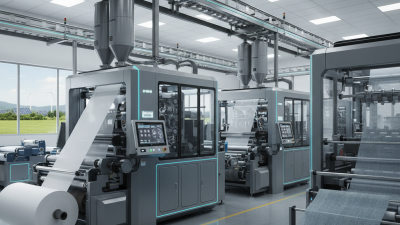
    Comparison of typical production capacity and operating features for common non-woven fabric machine configurations.

    Production capacity depends on fabric weight, width, polymer type, line speed, and process efficiency. Higher-speed lines can improve output, while automatic control systems and inline monitoring generally support more consistent quality and reduce material waste.

    What Budget and Operating Costs Should You Expect?

    Choosing a nonwoven fabric machine starts with cash flow, not the cheapest quotation. A small spunbond line may cost roughly 300,000 to 900,000 USD. Larger lines can exceed 2 million USD. These ranges are indicative, not promises. Capacity, fiber type, automation, and local installation rates change the final figure. Request a written quotation that separates the machine, molds, spare parts, shipping, installation, and operator training. Otherwise, comparisons become misleading.

    Operating costs often decide whether a line remains profitable. Electricity may be the largest monthly expense, especially for heating, extrusion, and air systems. Add polypropylene or other approved raw materials, packaging, labor, water, filters, lubricants, repairs, and quality testing. A useful worksheet calculates cost per kilogram at 60%, 80%, and 95% utilization. Real production rarely stays at full capacity. Expect surprises. Include waste from start-ups, roll changes, rejected fabric, and unplanned stoppages. Even a two-hour shutdown can disturb delivery schedules.

    Keep working capital for at least three months of routine expenses. Spare heaters, sensors, filters, and cutting blades should be available locally when possible. Ask technicians about preventive maintenance intervals and expected replacement costs. I would also test the supplier’s energy figures under your actual fabric weight and speed. Catalogue numbers can look attractive. They may exclude warm-up time or compressed-air consumption. A careful site survey should check voltage, floor loading, ventilation, fire protection, and operator access before payment. One uncomfortable question remains: can your team run the line consistently after training ends? That answer matters more than a polished brochure.

    How to Evaluate Manufacturers, Quality, and After Sales Support

    Choosing the best non woven fabric machine requires more than comparing production speed. Grand View Research valued the global nonwoven fabrics market at approximately USD 53.62 billion in 2023. This growth increases pressure on manufacturers to deliver stable, efficient equipment.

    Ask manufacturers for traceable test records. Check output weight, tensile strength, air permeability, and edge consistency during a live trial. Request samples from your intended fiber blend, not a convenient substitute. A reliable supplier should explain tolerance limits, calibration methods, and energy consumption clearly. Smithers’ industry forecasts identify hygiene, filtration, and medical applications as important nonwoven growth areas. Therefore, machine flexibility matters. It should handle planned materials without constant mechanical changes.

    After-sales support often separates a useful machine from an expensive problem. Confirm installation training, spare-parts availability, response times, and remote troubleshooting procedures in writing. Ask who pays for travel, replacement parts, and software updates. Review warranty exclusions carefully. Speak with operating customers, if possible. Their maintenance logs may reveal more than a sales presentation. A supplier should also provide electrical diagrams, preventive-maintenance schedules, and operator training records.

    Do not ignore small details.

    In my view, a fast machine with weak technical support is a false economy. However, supplier promises are not proof. I would still require a factory acceptance test and several days of continuous production. This step may feel excessive, but one overlooked vibration or temperature fault can create uneven rolls and costly waste. The evaluation is imperfect, yet documented evidence remains more dependable than confident claims.