How to Choose the Right Non Woven Material?
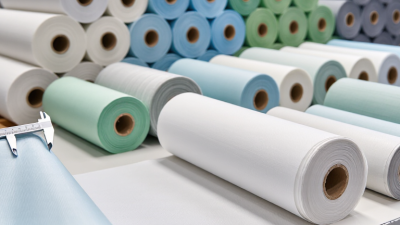
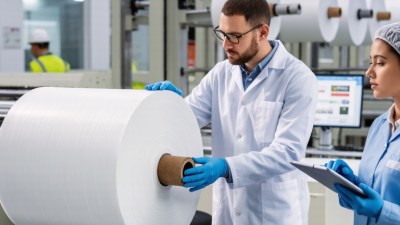
Choosing the right non woven material begins with understanding the product’s real working conditions. A medical gown, filtration layer, shopping bag, and automotive liner need different performance profiles. They may look similar on a sample table. Their structures are not similar.
Dr. Behnam Pourdeyhimi, a leading nonwoven specialist and executive director of the Nonwovens Institute, has said, “Nonwovens are engineered fabrics designed for a specific purpose.” That principle should guide every purchasing decision. Fiber type matters. So do basis weight, bonding method, pore size, tensile strength, softness, and moisture resistance. Polypropylene often supports lightweight hygiene and packaging applications. Polyester can offer stronger dimensional stability. Viscose may provide a softer, more absorbent touch.
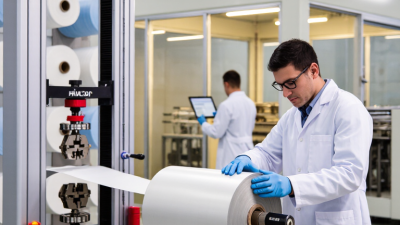
Start with the end use, not the cheapest quotation. A filtration material needs controlled airflow and particle performance. A furniture backing needs reliable tear resistance and stable bonding. Ask suppliers for technical data, production samples, and test results under realistic conditions. Compare materials after folding, stretching, wetting, or exposing them to heat. Laboratory figures can look impressive. Actual handling may reveal weak edges or uneven surfaces.
This is where experience helps.
Still, selection is not perfectly predictable. One supplier’s “premium” grade may perform poorly in your process. Testing should challenge assumptions. Check consistency between batches, traceability, and applicable industry requirements before approval. The right non woven material is not simply the softest, strongest, or lowest-cost option. It is the material that remains dependable when the finished product faces real pressure, repeated use, and changing conditions.
Understanding Non Woven Materials and Their Main Categories
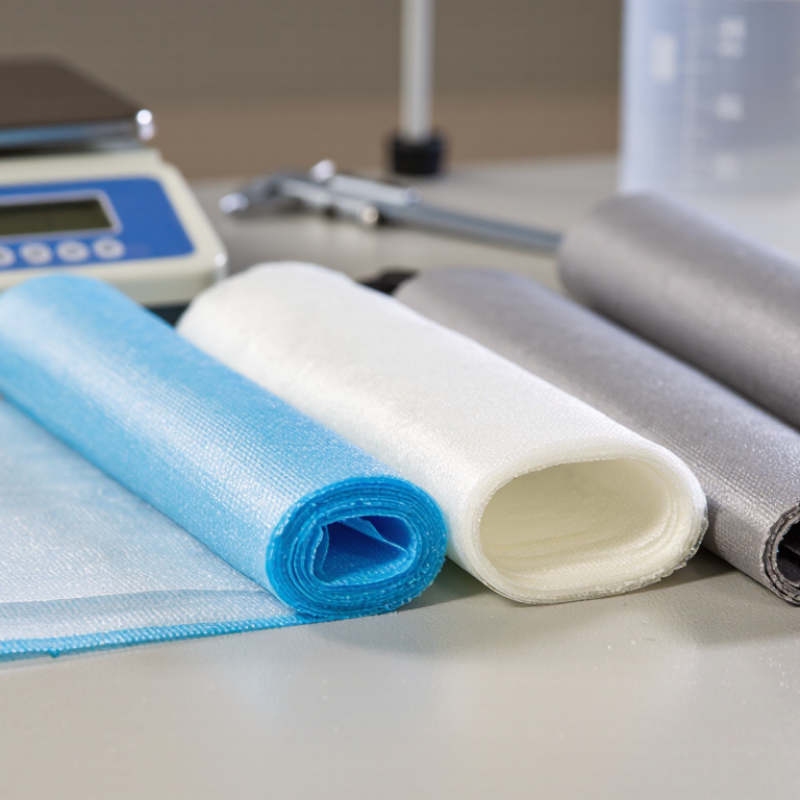
Choosing the right non woven material starts with its category, not its appearance. Nonwovens are engineered webs bonded through heat, chemicals, water, or mechanical force. Each process changes strength, softness, filtration, absorbency, and cost. Grand View Research valued the global nonwoven fabrics market at about USD 53.5 billion in 2022. It also projects a 7.4% compound annual growth rate through 2030.
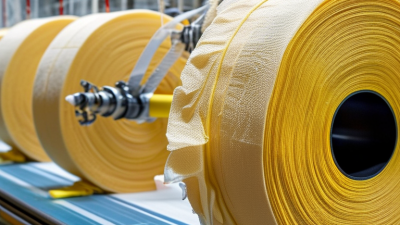
Spunbond fabrics provide continuous fibers, steady strength, and good dimensional stability. They suit hygiene layers, agriculture covers, and protective packaging. Meltblown fabrics use extremely fine fibers, creating a dense structure for filtration. However, they can tear more easily without support. Spunlace materials feel textile-like and absorb liquids well. They work for wipes, medical gowns, and personal-care products. Needle-punched fabrics offer thickness and resilience for filtration, automotive interiors, and geotextiles. Wet-laid materials resemble paper and support precise fiber distribution.
Performance depends on more than the category. Check fiber type, basis weight, pore size, bonding method, and moisture resistance. For example, a 40 gsm web may feel light, but its strength varies sharply by fiber and bonding. Industry testing under ISO 9073 methods can measure tensile strength, thickness, and absorbency. I have seen buyers select softness first, then discover weak seams during conversion. That mistake is avoidable. A material sample should face real humidity, folding, abrasion, and storage conditions. Data reports guide market direction, but application testing reveals the uncomfortable details.
How to Choose the Right Non Woven Material?
Typical basis weight varies by manufacturing process and intended use. Lighter materials are commonly selected for filtration, hygiene, and disposable applications, while heavier materials are often used for geotextiles, furniture, and industrial protection.
Basis weight: Indicative representative values in grams per square metre (g/m²). Actual specifications depend on fibre type, bonding method, strength requirements, porosity, and end-use conditions.
Identifying the Performance Requirements for Your Application
Choosing the right non woven material starts with the application, not the fabric catalog. Define what the material must do during real use. A medical cover may need fluid resistance, breathability, and low lint. A filtration layer may require stable airflow, fine particle capture, and consistent thickness.
Consider the forces it will face. Measure tensile strength, tear resistance, puncture resistance, and seam performance. Temperature matters too. Heat can shrink some polymers, while cold can make flexible fibers brittle. If the product touches oil, cleaning agents, or moisture, test chemical compatibility rather than relying on a supplier’s general statement. Small differences in fiber type, bonding method, and weight can change performance significantly.
I once selected a heavier sheet for extra strength, but it reduced airflow more than expected. That mistake showed me why laboratory data needs application testing. Ask for samples and examine them under realistic conditions. Bend them repeatedly. Expose them to humidity. Check the surface after cutting and sealing. Record results from several batches, not one convenient sample. It is easy to overvalue a high strength number. The better choice balances protection, comfort, processing speed, service life, and cost. For critical applications, use documented test methods and independent verification when practical. A material that performs well on a clean test bench may behave differently after storage, handling, or installation.】【。
| Material / Structure | Typical Fiber or Polymer | Key Performance Strengths | Moisture Behavior | Typical Operating Temperature* | Relative Cost | Recommended Applications | Important Selection Considerations |
|---|---|---|---|---|---|---|---|
| Spunbond Nonwoven | Polypropylene (PP), polyester (PET), or polyethylene (PE) | Good tear resistance, high production efficiency, uniform web structure, and good dimensional stability. | PP and PE are hydrophobic; PET has low moisture absorption. The surface can be treated for improved wetting or repellency. | PP: approximately 80–100°C for continuous use; PET: approximately 120–150°C for continuous use. | Low to medium | Hygiene back sheets, packaging, agricultural covers, furniture interlinings, construction membranes, and medical gowns. | Choose basis weight, fiber fineness, bonding pattern, and coating according to strength, softness, breathability, and barrier requirements. |
| Meltblown Nonwoven | Usually polypropylene; also available in selected thermoplastic polymers | Very fine fibers, high surface area, excellent particle capture potential, and good acoustic and oil-absorption performance. | Generally hydrophobic when made from PP; can be modified for oil absorption or improved liquid handling. | Typically up to approximately 80–100°C for continuous use with PP. | Medium | Air and liquid filtration, absorbent oil pads, protective layers, and composite filtration media. | Filtration efficiency depends on fiber diameter, basis weight, air velocity, pressure drop, electrostatic charge, and test standard. It is usually laminated with a stronger support layer. |
| Spunlace Nonwoven | Viscose, polyester, polypropylene, cotton, or blended fibers | Soft hand feel, good drape, low lint potential when engineered correctly, and excellent suitability for wiping products. | Viscose and cotton absorb water readily; polyester and PP absorb very little moisture. Wicking can be engineered through fiber blending and finishing. | Commonly selected for ambient or moderate-temperature applications; verify the fiber blend before heat exposure. | Medium | Wet wipes, dry wipes, cosmetic masks, medical drapes, personal-care products, and absorbent cleaning materials. | Assess wet strength, lotion compatibility, linting, biodegradability targets, flushability requirements, and skin-contact safety. |
| Needle-Punched Nonwoven | Polyester, polypropylene, polypropylene/polyester blends, wool, or recycled fibers | High bulk, good cushioning, strong mechanical interlocking, good abrasion resistance, and useful acoustic or drainage performance. | Depends on fiber type. PET and PP are moisture resistant; natural fibers absorb moisture and may require protection against biological degradation. | Varies by fiber; PET generally tolerates higher temperatures than PP. | Low to medium | Geotextiles, carpet underlay, automotive insulation, filtration supports, mattress components, and protective packaging. | Specify thickness, density, puncture resistance, tensile strength, water permeability, and compression recovery rather than basis weight alone. |
| Thermally Bonded Nonwoven | Polyester, polypropylene, polyethylene, or bicomponent fibers | Consistent thickness, clean appearance, good dimensional stability, and controlled stiffness or loft. | Usually low moisture absorption when produced from PP or PET; hydrophilic or hydrophobic finishes can be added. | Controlled by the lowest-melting component in the fiber blend; confirm the supplier's continuous-use rating. | Low to medium | Filtration supports, insulation, hygiene cores, automotive trim, furniture padding, and protective packaging. | Check thermal aging, bonding strength, compression set, loft retention, and compatibility with downstream lamination or molding. |
| Wet-Laid Nonwoven | Cellulose, synthetic fibers, glass fibers, or blended short fibers | Highly uniform formation, smooth surface, precise basis-weight control, and suitability for thin technical sheets. | Cellulose-based grades absorb moisture; synthetic and glass-fiber grades can be engineered for low water uptake. | Depends strongly on fiber, binder, and coating; cellulose grades generally have lower heat resistance than glass or high-performance synthetic grades. | Medium to high | Battery separators, filtration papers, electrical insulation, laboratory materials, and specialty technical substrates. | Evaluate porosity, pore-size distribution, binder chemistry, wet strength, chemical resistance, and electrical properties. |
| Glass-Fiber Nonwoven | Fine or continuous glass fibers with binder or mechanical reinforcement | Excellent dimensional stability, high temperature resistance, low flammability, and strong filtration capability. | Glass itself does not absorb water, although binders, coatings, or contamination can affect wet performance. | Often suitable for high-temperature applications; actual limits are governed by the glass type and binder system. | Medium to high | High-temperature air filtration, roofing reinforcement, electrical insulation, composite reinforcement, and industrial separation media. | Control fiber shedding, handling safety, binder emissions, flexural durability, pressure drop, and chemical compatibility. |
| Bicomponent Nonwoven | Two polymers in core-sheath, side-by-side, or segmented-pie configuration | Improved bonding flexibility, controlled softness, good resilience, and the ability to combine different polymer properties. | Depends on the polymer combination and surface finish; hydrophilic and hydrophobic zones can be designed. | Limited by the lower-melting or less heat-resistant component; confirm the thermal profile of the finished product. | Medium to high | Hygiene products, filtration media, thermal bonding webs, acoustic materials, and molded fiber structures. | Verify sheath melting point, core strength, bonding window, recycle compatibility, and performance after repeated compression. |
*Temperature values are general engineering guidance rather than universal material limits. Actual performance depends on polymer grade, fiber diameter, basis weight, bonding method, additives, coatings, pressure, chemical exposure, and duration. Always validate the selected construction under the application’s relevant test conditions.
Comparing Fibers, Manufacturing Methods, and Material Properties
How to Choose the Right Non Woven Material?
Comparing fibers, manufacturing methods, and material properties helps prevent costly design mistakes. A useful starting point: define the product’s actual working conditions. Will it face moisture, heat, friction, pressure, or repeated handling?
Polypropylene fibers often provide low moisture absorption and good chemical resistance. Polyester offers strength, dimensional stability, and better heat tolerance. Cellulosic fibers feel softer and absorb liquid, but they may weaken when wet. Blends can balance these differences. Fiber length also matters. Staple fibers support soft, bulky structures, while continuous filaments can create smoother and stronger webs.
Manufacturing methods shape performance as much as fiber choice. Spunbond materials usually provide strength and uniform coverage. Meltblown structures contain very fine fibers, supporting filtration and liquid barrier applications. Needle-punched webs can be thick and resilient, while hydroentangled materials often offer a textile-like touch. Thermal bonding may improve stiffness, but excessive heat can reduce softness. Chemical bonding can add strength, yet it may affect skin contact or recycling considerations.
In practical evaluations, I compare basis weight, tensile strength, tear resistance, thickness, air permeability, absorbency, and water resistance. Test results should reflect real use, not only laboratory conditions. A material that performs well when dry may fail after bending or prolonged moisture exposure. That detail is easy to miss.
Lower cost is not always better. I have seen lightweight materials pass an initial check but wear quickly during handling. Recheck the weak points. Small adjustments in fiber blend, bonding energy, or basis weight can change the final result significantly. Reliable selection comes from samples, repeated testing, and clear performance requirements.
Selecting the Right Non Woven Structure for Different Uses
How to Choose the Right Non Woven Material?
Selecting the Right Non Woven Structure for Different Uses
Choosing a non-woven material starts with its working conditions, not its appearance. A soft sheet may suit hygiene products, but fail under heavy tension. A practical evaluation should examine strength, thickness, air flow, absorbency, flexibility, and moisture resistance. Small differences matter.
Spunbond structures provide continuous fibers, useful for packaging, protective covers, and breathable layers. Meltblown structures contain finer fibers, making them suitable for filtration applications.
Needle-punched materials offer bulk and toughness for upholstery, drainage, and geotextile projects. Hydroentangled sheets feel textile-like and work well where softness and cleanliness are important.
Thermal bonding can improve shape retention, although excessive heat may reduce flexibility.
The structure should match the final use. For filtration, test particle performance and pressure drop under realistic air flow. For packaging, check tear strength, sealing behavior, and repeated handling. For outdoor applications, examine ultraviolet exposure, water contact, and temperature changes. Ask for test methods, production records, and material traceability. Reliable data matters more than attractive samples.
I have seen material choices based only on price or softness. That shortcut often creates uneven performance later. Pilot testing is not always convenient, but it reveals weak points before full production. Recheck the result after storage, folding, or contact with other materials. Even experienced buyers can miss one condition.
Evaluating Cost, Sustainability, Safety, and Supplier Quality
Choosing the right non woven material starts with the product’s real working conditions. Consider moisture, heat, tearing, filtration, and skin contact before comparing prices. A cheaper roll may create more waste through weak seams, uneven thickness, or frequent replacements. Ask for samples and test them under expected use, not only in a showroom.
Tips: Compare total cost, not unit price. Check recycled content, production waste, and end-of-life options. Request safety data, test reports, and traceable lot numbers. Examine tensile strength, air permeability, and barrier performance. Small details matter.
Supplier quality deserves equal attention. A dependable supplier should explain raw material sources, quality controls, tolerance ranges, and corrective actions. Visit the facility when practical, or request dated inspection records and sample approval procedures. Communication speed is useful, but technical honesty matters more. No scorecard is perfect. Sustainability claims can be unclear, and laboratory results may not match field conditions. Keep a written specification, test several batches, and review performance after delivery. This slower approach may raise the initial workload, yet it reduces unexpected failures and protects product safety.