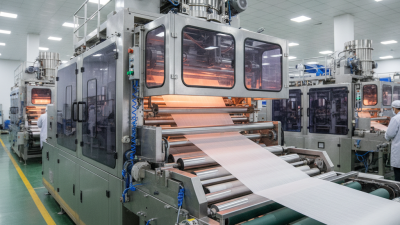
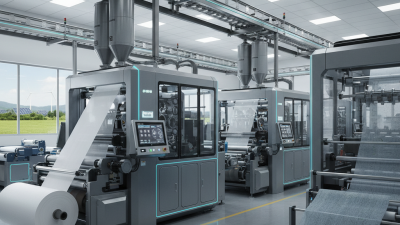
Why Invest in Non Woven Fabric Manufacturing Machines Today?
The non woven fabric industry is rapidly evolving. According to a recent market report, the global non woven fabrics market is projected to reach $50 billion by 2027. This growth is fueled by increasing demand in various sectors, including healthcare, automotive, and construction. Investing in non woven fabric manufacturing machines today can capitalize on this upward trend.
Non woven fabric manufacturing machines are essential for producing high-quality textiles efficiently. Their versatility allows manufacturers to create diverse products, from disposable medical supplies to durable geotextiles. However, the investment requires careful consideration of technology and market needs. Not all machines provide the same level of efficiency or product quality.
As competition grows, understanding the nuances of different machinery can set a business apart. Inconsistent production methods could lead to quality issues, impacting market reputation. Thus, assessing the long-term benefits of non woven fabric manufacturing machines is crucial for companies aiming for sustainable growth.
Benefits of Non Woven Fabric in Various Industries
Non-woven fabrics have become essential across various industries. The global non-woven fabric market is projected to reach $50 billion by 2026, according to market research. These materials are versatile and find applications in medical, automotive, and construction sectors. Their lightweight yet durable properties make them ideal for disposable surgical gowns, filters, and insulation materials. This adaptability drives demand and encourages investment in manufacturing technology.
One significant benefit is their environmental friendliness. Non-woven fabrics can be produced with recyclable and biodegradable materials, which appeals to eco-conscious consumers. For instance, 70% of the manufacturers have reported a shift towards sustainable practices in recent studies. This trend not only reduces waste but also boosts brand image.
Tip: Consider investing in machines that offer flexibility in production. This allows businesses to switch between various fabric types quickly, accommodating market changes effectively.
The non-woven fabric production process is not without challenges. Manufacturers face quality control issues due to varying raw material properties. Inconsistent fabric quality can lead to
operational headaches. Therefore, investing in
advanced quality assurance measures is crucial.
Tip: Regularly evaluate your production techniques.
Innovations in process efficiency can significantly enhance product quality and reduce costs.
Technological Advancements in Non Woven Fabric Manufacturing
Technological advancements in non woven fabric manufacturing have revolutionized the industry. These innovations enhance efficiency and product quality. Advanced machines now utilize automation, reducing manual labor and increasing precision. Automation means quicker production times and lower operational costs. This shift allows companies to respond rapidly to market demand.
Today, non woven fabric machines incorporate technologies like thermal bonding and air laying. These methods improve fiber integration and fabric durability. They also reduce waste during production. However, transitioning to these technologies can be challenging. Some manufacturers hesitate to invest due to initial costs. Finding the right balance between innovation and budget is crucial.
Innovation in non woven fabric machines also emphasizes sustainability. Many new models are designed to minimize environmental impact. Using recycled materials in manufacturing is gaining traction. Still, the journey toward fully sustainable practices requires continuous effort. Companies must consider their long-term vision while adapting to new technologies, maintaining flexibility in their strategies.
Cost-Effectiveness of Investing in Manufacturing Machines Today
Investing in non-woven fabric manufacturing machines today offers significant cost advantages. These advanced machines boost production efficiency and reduce labor costs. Manufacturers can create high-quality fabrics without the energy-consuming processes of weaving. With increasing global demand for non-woven products, the time to invest is now.
Efficiency is not the only metric to consider. While machines can streamline operations, they require an initial investment. This may seem daunting, especially for small businesses. However, the potential return justifies this cost. Lower operational costs lead to higher profit margins. As companies pivot toward sustainability, non-woven fabrics become a desirable option.
Local markets are expanding. This creates opportunities for businesses that produce non-wovens. There is a growing interest in eco-friendly materials. Investing in manufacturing machines can align with these trends. On the flip side, maintenance costs can arise unexpectedly. Entrepreneurs should plan for these unpredictable expenses. Investing wisely requires foresight and a commitment to adaptability.
Market Trends Driving Demand for Non Woven Fabrics
The demand for non-woven fabrics is on the rise. Industries are increasingly embracing these materials for various applications. Hygiene products, medical textiles, and automotive components are key areas driving growth. As consumers seek sustainability, non-woven fabrics are seen as an eco-friendly alternative. They can be made from recycled materials and are often biodegradable.
Market trends indicate a strong shift toward customization. Companies are looking for tailored solutions to meet specific needs. This presents an opportunity for manufacturers to invest in advanced machinery. Innovations in non-woven technology enhance efficiency and quality. However, the initial investment can be significant.
While the market is flourishing, challenges remain. Competition is fierce, with many players entering the field. Manufacturers must stay abreast of technological advancements and consumer preferences. Adapting quickly is essential for maintaining a competitive edge. Investing in non-woven fabric manufacturing machines today can position companies for future success.
Sustainability and Environmental Impact of Non Woven Fabrics
Non woven fabrics are gaining attention for their sustainability. They are crafted from fibers that are bonded together. This process often uses less water and fewer chemicals compared to traditional textiles. The ability to reuse these materials adds to their eco-friendliness. Their lightweight nature allows for easier transportation too.
The environmental impact is significant. Many non woven fabrics are biodegradable or recyclable. This reduces landfill waste and pollution. However, it’s crucial to consider the sourcing of raw materials. Sustainable practices in production can enhance their positive effects. Manufacturers need to balance efficiency and environmental responsibility.
Investing in non woven fabric manufacturing is promising. Yet, the industry must address several challenges. Improving production processes and material sourcing can lead to better outcomes. Emphasizing sustainability is vital in today’s market. Companies must reflect on their practices constantly.
Why Invest in Non Woven Fabric Manufacturing Machines Today? - Sustainability and Environmental Impact of Non Woven Fabrics
| Dimension |
Description |
Environmental Impact |
Sustainability Benefits |
| Resource Efficiency |
Utilizes less raw material compared to woven fabrics |
Lower carbon footprint due to minimized waste |
Conserves natural resources and reduces energy consumption |
| Biodegradability |
Many non woven fabrics are made from biodegradable materials |
Reduces landfill accumulation and pollution |
Offers eco-friendly disposal options for consumers |
| Versatility |
Adaptable for various applications like hygiene, medical, and industrial |
Can replace less sustainable materials in multiple sectors |
Promotes innovation in product design and sustainability |
| Cost-Effectiveness |
Lower production costs due to efficient manufacturing processes |
Minimized resource depletion aligns with sustainable practices |
Higher profitability while supporting environmental goals |
| Recyclability |
Some non woven fabrics can be recycled post-use |
Less environmental impact compared to single-use items |
Encourages circular economy practices in textiles |