What Is a Non Woven Machine and How Does It Work?
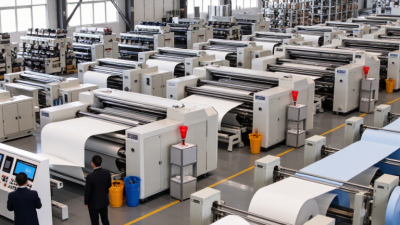
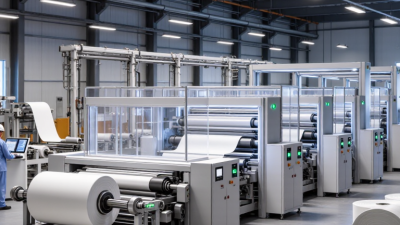
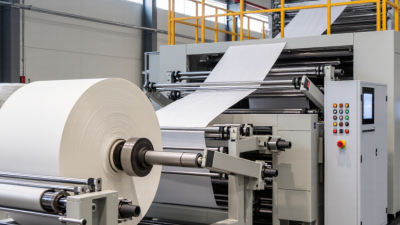
A non woven machine creates fabric without weaving or knitting yarns together. Instead, it arranges fibers into a bonded sheet. Common fibers include polypropylene, polyester, viscose, and recycled materials. These machines support products such as medical gowns, filtration media, wipes, packaging, and agricultural covers.
The process begins with fiber preparation. Opening units separate compressed fibers and remove unwanted clumps. A carding system then forms a more even web. Some lines use air to distribute fibers, while others use spunbond or meltblown technology. In spunbond production, melted polymer passes through tiny holes and becomes continuous filaments. Meltblown systems produce much finer fibers for specialized filtration layers. The web then receives mechanical, thermal, or chemical bonding. Heated rollers may press the material, creating a stable surface with controlled thickness.
Experienced operators monitor temperature, line speed, fiber weight, and roller pressure. Small changes can affect strength, softness, and uniformity. Quality teams often test basis weight, tensile strength, air permeability, and tear resistance. These measurements help confirm whether the fabric suits its intended use.
The equipment is not a magic box.
A reliable non woven machine still needs careful calibration, clean materials, and regular maintenance. Dust buildup can disturb airflow. Uneven heating can create weak zones. Some explanations overlook these practical problems. They matter in real production. Machine design also varies widely between manufacturers, so operating procedures should follow verified technical documentation and applicable safety standards. Understanding each stage helps buyers, engineers, and operators make better decisions. It also reveals an important limitation: efficient output does not automatically guarantee consistent quality.
Nonwoven Machines Defined: Webs Made Without Spinning or Weaving
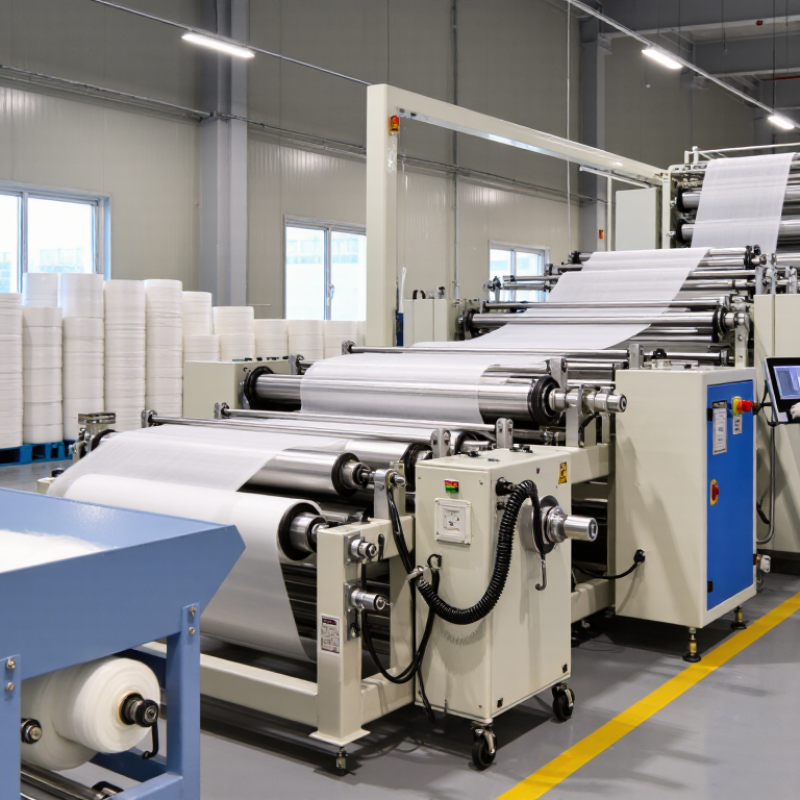
A nonwoven machine makes fabric without spinning yarn or weaving threads. Instead, it forms a loose web from fibers or polymer filaments. This difference defines nonwoven production. The fibers may be short, continuous, dry, or suspended in water. Their arrangement controls softness, strength, thickness, and air permeability.
In a drylaid system, opening units separate compressed fibers before carding equipment spreads them into an even layer. A wetlaid machine mixes fibers with water, then deposits the mixture onto a moving screen. Spunbond and meltblown systems melt polymer pellets and push the material through fine openings. Air stretches the forming filaments. The web then moves through bonding equipment, such as heated rollers, needles, or water jets.
The process is precise.
Temperature, line speed, pressure, and moisture must stay balanced. A small change can create thin spots, weak edges, or uneven bonding. During production, operators inspect the web under steady lighting and test weight, tensile strength, and thickness. They also check dust, fiber clumps, and surface defects. A web may look smooth but still fail during cutting or stretching. That is an important limitation. Machine settings often require adjustment for each fiber type and product use. I have found that stable feeding matters as much as advanced equipment. Clean filters, aligned rollers, and regular calibration can prevent problems before they become visible.
What Is a Nonwoven Machine and How Does It Work?
Nonwoven machines form a fiber web directly, without first producing yarn and without weaving. The chart compares common web-forming technologies by their typical basis-weight ranges, measured in grams per square meter (g/m²).
Lower basis weights are commonly used for lightweight filtration, hygiene, and medical materials, while higher basis weights are associated with durable fabrics, insulation, geotextiles, and industrial products. Actual ranges depend on fiber type, web structure, and machine settings.
Fiber Feeding and Web Formation: Spunbond Speeds Up to 600 m/min
A non woven machine converts polymer chips into continuous filaments, then forms them into a uniform web. In spunbond production, a feeder meters polymer into an extruder. The melt passes through a spinneret, where hundreds of fine filaments emerge. Air stretching cools and draws them downward. A moving conveyor collects the fibers before thermal bonding creates fabric strength.
Modern spunbond lines can reach speeds up to 600 m/min, but speed alone does not define performance. According to Smithers’ The Future of Nonwovens to 2028, the global nonwovens market is projected to exceed US$80 billion by 2028. This growth increases pressure for stable output, lower waste, and consistent basis weight. At high speed, small feeding variations become visible as thin stripes, uneven opacity, or weak bonding. In my experience, moisture control and melt-temperature stability often matter more than the headline machine speed.
Tips:
Check polymer moisture before feeding. Monitor pressure, airflow, and web weight continuously. Keep a sample roll from each shift. It reveals gradual drift better than a single inspection. A 600 m/min setting is not always the best setting. Some production lines need slower operation to improve fiber distribution, edge control, or bonding uniformity. That trade-off deserves regular review.
Web Bonding Methods: Thermal, Chemical, and Hydroentanglement at 100–300 bar
A nonwoven machine converts loose fibers into a continuous fabric without weaving or knitting. It forms a web, then bonds the fibers through heat, chemicals, or high-pressure water. According to Smithers’ 2024 market assessment, the global nonwovens industry was worth about US$58 billion in 2023. That scale reflects demand from hygiene, medical, filtration, and construction applications.
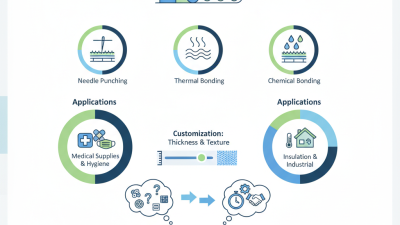
Thermal bonding uses heated calender rolls or hot air. The machine melts part of a bicomponent fiber, creating small bonding points while preserving softness. Chemical bonding applies a latex or resin binder through spraying, dipping, or foam systems. Controlled drying and curing then lock the web structure.
Hydroentanglement is more mechanical. Fine water jets strike the web at roughly 100–300 bar, forcing fibers to twist and interlock. Perforated drums remove water, followed by suction, pressing, and drying.
At 100 bar, lighter webs may gain adequate strength with lower energy use. At 300 bar, thicker or denser webs can develop stronger entanglement, but fiber damage and water consumption increase. A pressure number alone misleads. No two lines behave exactly alike. Operators must adjust nozzle spacing, line speed, basis weight, and drying temperature together. EDANA technical guidance also stresses process control because uniform bonding affects absorbency, tensile strength, and defect rates. In practice, the best setting is rarely the most aggressive one.
Finishing and Conversion: Rolls, Slitting, and 15–300 g/m² Basis Weight
What Is a Non Woven Machine and How Does It Work?
A non woven machine forms fabric without traditional weaving or knitting. It arranges fibers, bonds them, and delivers a stable web. Depending on the process, bonding may use heat, pressure, water, or chemical treatment. Finishing begins after the web reaches a consistent basis weight, usually measured in grams per square metre. Common production ranges extend from 15 to 300 g/m². Light webs feel soft and breathable. Heavier webs offer greater strength and coverage.
The finished material passes through rollers that control thickness, tension, and surface appearance. A winding unit then creates large rolls for storage or later processing. Slitting equipment cuts these rolls into narrower widths. Accurate knife alignment matters. A small setting error can create uneven edges, dust, or telescoping rolls. Operators should check roll hardness, width, moisture, and core alignment during production. These details often reveal problems before customers do. A perfect setup is rare. Even experienced teams must adjust speed and tension after examining the actual fabric.
Tips: Match roller pressure to the fabric’s basis weight. Use lower tension for delicate 15–30 g/m² webs. Inspect the first slit roll before continuing. Record every adjustment. This builds reliable process knowledge, although early records may still contain gaps.
Quality Control: Basis Weight, Tensile Strength, and Filtration Efficiency
What Is a Non Woven Machine and How Does It Work?
A non woven machine converts fibers into a bonded web without traditional weaving. Carding, airlaying, or spunbond systems arrange fibers across a moving belt. Heat, chemicals, or needle punching then lock the structure together. In production, quality control begins before the roll leaves the line. Small errors matter.
Basis weight is measured in grams per square metre, following ISO 9073-1. Operators usually compare samples from the center and both edges. A 25 g/m² web can show serious variation if airflow, belt speed, or fiber feeding changes.
The INDA Global Nonwoven Market Report identifies hygiene, medical, and filtration applications as major demand areas, where consistency affects converting performance. Yet, one average value can hide weak zones. That is an uncomfortable limitation.
Tensile strength testing follows ISO 9073-3 and records force along machine and cross directions. A web may look uniform but tear easily across its width. Filtration efficiency requires a defined aerosol, flow rate, and particle size.
NIOSH testing for N95-class respirators uses a 0.3-micron test particle and requires at least 95% filtration efficiency under specified conditions. This result does not represent every filter application. ASTM F2299 also emphasizes controlled testing conditions.
Production teams should record basis weight, tensile results, pressure drop, humidity, and test location together. Otherwise, the numbers may appear precise while the process remains poorly understood.