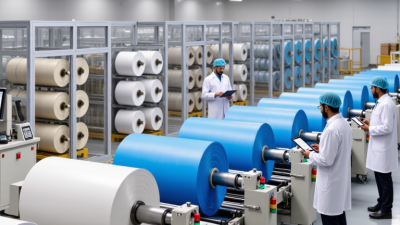
7 Tips About Non Woven Fabric for Global Buyers?
Buying nonwoven fabric across borders requires more than comparing price lists. The right material must match its end use, production method, climate, and compliance requirements. A medical gown, shopping bag, filtration layer, and mattress cover need completely different performance profiles. This guide, “7 Tips About Non Woven Fabric for Global Buyers,” explains the checks that reduce costly mistakes.
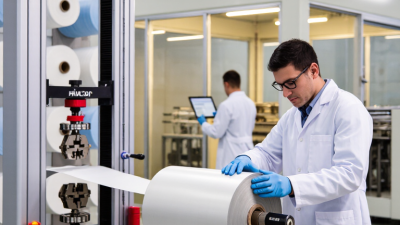
Dr. Seshadri Ramkumar, a recognized nonwovens expert, has said, “Nonwovens are the materials of the future.” His observation reflects the sector’s rapid development, but buyers still need practical evidence. Ask suppliers about fiber type, basis weight, thickness, tensile strength, elongation, absorbency, air permeability, and bonding technology. Request recent test reports and production samples. Touch the roll. Inspect its edges, winding, odor, and surface consistency.
Small details matter.
A serious sourcing process also examines factory experience, quality controls, traceability, packaging, lead times, and communication. Certifications should fit the application and destination market, rather than serving as decorative badges. Buyers should verify claims through independent laboratories when risk is high. Sustainability deserves careful questioning too. Recycled content, biodegradability, and low-carbon claims can mean different things. Ask for definitions and supporting documents.
No checklist removes every uncertainty. Moisture, storage temperature, and transport time may change fabric performance. I have seen specifications look perfect until a sample met real production conditions. That gap deserves attention. These seven tips offer a practical framework for comparing suppliers, testing materials, and making more dependable global purchasing decisions about non woven fabric.
Understanding Nonwoven Fabric Types and Their Applications
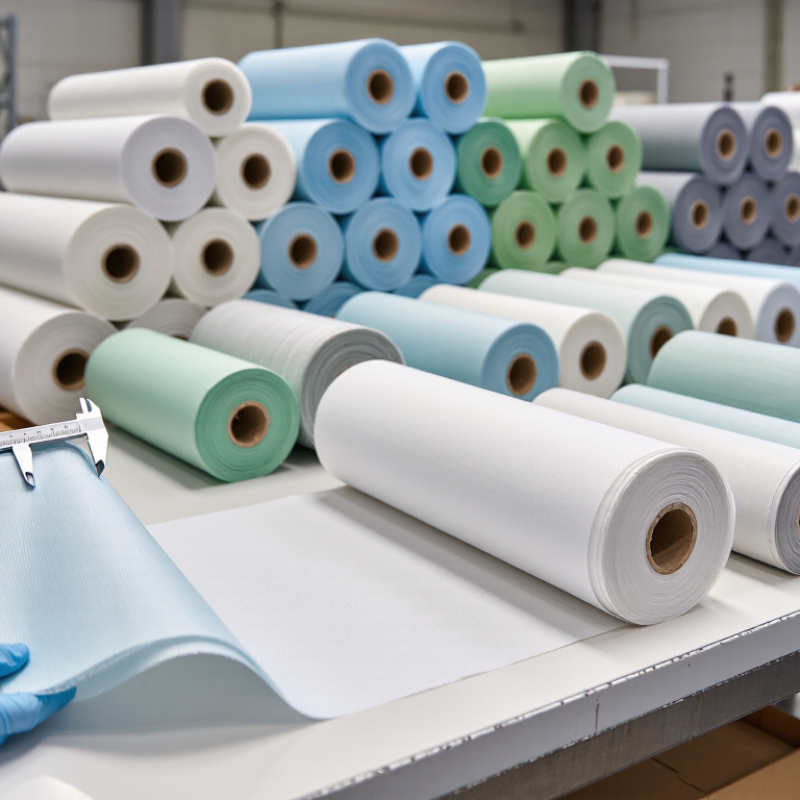
Nonwoven fabric is engineered, not woven or knitted. Its structure controls strength, softness, filtration, and liquid handling. Spunbond fabric uses continuous filaments, making it suitable for hygiene backsheets, packaging, and agricultural covers. Meltblown fabric uses very fine fibers and offers efficient filtration, especially in air and liquid applications. Spunlace feels textile-like and works well in wipes, medical gowns, and cosmetic pads. Needle-punched fabric provides thickness and durability for geotextiles, insulation, and automotive liners. Airlaid material absorbs liquids effectively, but it may need reinforcement.
Global buyers should check seven details: fiber type, basis weight, thickness, tensile strength, elongation, absorbency, and application testing. Grand View Research estimated the global nonwoven fabrics market at about USD 53.6 billion in 2023. Its report projects continued growth through 2030, driven by hygiene, healthcare, construction, and filtration demand. Smithers also identifies filtration and sustainable material development as important growth areas in its global nonwovens forecast.
However, market data can vary by definition and region. That limitation matters.
Ask suppliers for test methods, not only performance numbers. A 40 gsm fabric can feel strong, yet fail after wetting or heat exposure. For filtration, demand particle-size efficiency and pressure-drop data. For medical uses, verify applicable safety and biocompatibility requirements. Recycled fibers may reduce virgin-material use, but they can change color, odor, and strength. This trade-off is often underestimated. Small pilot trials, shipment inspections, and traceable specifications reduce costly surprises.
Evaluating Strength, Breathability, and Other Key Properties
For global buyers, nonwoven fabric should be assessed against its end use, not by weight alone. Fiber type, bonding method, and basis weight all affect strength. A heavier sheet may feel sturdy yet tear easily when pulled across its weaker direction. Check tensile and tear results, and note how the supplier tested them. Small details matter.
Breathability is another practical measure. Air-permeability results can help compare samples, but the test method and pressure difference should match. Open structures often pass more air, while tighter webs may offer better particle or liquid resistance. These qualities can compete. Not always. Ask for samples and check airflow alongside the barrier performance your product needs.
Handling tests reveal issues that a data sheet may miss. Bend, rub, and stretch a sample; then inspect edges for loose fibers or damage. If the fabric will be used in a humid setting, compare its feel and strength when damp, too. Test more than one production lot when possible. Lab values are useful, but they do not fully predict cutting, stitching, or repeated use. That gap deserves attention. A simple trial with the intended process can expose it before a large order.
Choosing Suitable Fibers, Materials, and Production Methods
Global buyers should match fibers to the product’s real working conditions. Polypropylene offers low weight, water resistance, and cost efficiency for hygiene and packaging applications. Polyester provides stronger abrasion resistance and better dimensional stability. Viscose and cotton improve softness, but they can absorb moisture and lose strength when wet. A 2023 report by Grand View Research estimated the global nonwoven fabric market at over USD 50 billion. This scale increases fiber choices, but also makes testing essential.
Tip 1: Check fiber behavior, not only price. Ask for basis weight, tensile strength, elongation, air permeability, and liquid absorption data. A laboratory sheet can look excellent, yet fail after repeated flexing.
I have seen samples pass visual checks but weaken near the seams. That mistake is easy to miss.
Material selection should follow the final use. Spunbond fabric suits lightweight, breathable structures. Meltblown layers provide fine filtration, but production control must remain tight. Needlepunching creates thicker, more tactile fabrics for filtration, automotive interiors, and geotextiles. Hydroentanglement can produce soft surfaces with good drape. Smithers’ The Future of Global Nonwovens to 2028 identifies hygiene, filtration, and medical applications as major demand areas.
Tip 2: Compare production methods through pilot samples.
•
Tip 3: Request certificates for recycled content, chemical limits, and batch traceability.
•
Tip 4: Test after heat, humidity, and storage.
Sustainable fibers may reduce environmental impact, but they do not automatically deliver stable quality. Buyers should question optimistic claims, including their own assumptions.
Verifying Supplier Quality, Certifications, and Customization Options
Tip 1: Check supplier quality with documents and samples. Review the certificate’s scope, issuing body, and validity date; requirements can vary by market and product. A certificate alone does not prove every production run meets your needs. Ask for recent test reports and a sample from the same material specification. Ask for proof.
Tip 2: Test the fabric against its intended use. Compare weight, thickness, tensile strength, and absorbency with your written requirements. For roll goods, inspect several points across the width, not just one corner. Record results and keep a reference sample. Small variations can matter. A quick visual check may miss them.
Tip 3: Discuss customization before approving a bulk order. Specify fiber composition, color, width, roll length, bonding method, and packaging. Confirm allowable tolerances in writing, then request a trial run if the order is complex. Ask how changes are documented and whether production records can be shared. Custom options sound simple, but each can affect cost, lead time, and performance. Leave room for revision; buyers sometimes overlook how one changed detail affects the rest.
7 Tips About Non Woven Fabric for Global Buyers: Verifying Supplier Quality, Certifications, and Customization Options
| Tip |
What to Check |
How to Verify |
Why It Matters |
| 1 |
Define the fabric precisely |
Specify polymer or fiber type, web formation and bonding method, color, width, basis weight (GSM), roll length, and winding direction. Request a written specification and an approved reference sample. |
“Nonwoven” covers many material types and processes. Clear specifications reduce ambiguity when comparing quotations and checking delivered goods. |
| 2 |
Check relevant performance properties |
Select tests that match the application, such as tensile strength and elongation, air permeability, thickness, absorbency, or hydrostatic resistance. Agree on test methods, sample conditioning, and acceptance limits before ordering. |
Performance depends on the intended use. A test result is useful only when the method and acceptance criteria are clear and comparable. |
| 3 |
Verify quality controls and traceability |
Ask for the quality-control plan, inspection records, lot or roll identification, and procedures for handling nonconforming material. Check that reported results identify the tested batch and method. |
Documented checks and traceable production lots help buyers investigate variation and manage quality issues after shipment. |
| 4 |
Validate certificates and test reports |
Confirm the certificate holder, site, scope, validity, and issuing body directly with the issuer where possible. Check that product test reports identify the exact material and are relevant to your application and destination market. |
A management-system certificate, such as ISO 9001, is not proof that every fabric meets a particular product or regulatory requirement. |
| 5 |
Match compliance to the end use and market |
Identify destination-country rules and end-use requirements before production. For medical, food-contact, or protective applications, confirm applicable regulations and testing with qualified regulatory or testing professionals. |
Requirements vary by product, claims, and jurisdiction; a certificate or test suitable for one use or market may not satisfy another. |
| 6 |
Test customization and production capability |
Discuss feasible options such as width, basis weight, color, surface treatment, lamination, embossing, or perforation. Request a trial sample and confirm tolerances, minimum order quantity, lead time, and change-control process in writing. |
Customization can affect performance, cost, and production timing. A documented sample and agreed tolerances help prevent surprises at scale. |
| 7 |
Agree on inspection, packaging, and shipment checks |
Set pre-shipment inspection criteria for roll dimensions, labels, packaging condition, and agreed fabric properties. Confirm moisture protection, pallet requirements, shipping documents, and the process for reporting defects. |
Clear acceptance and packing requirements support consistent receiving inspections and help reduce transit-related damage or disputes. |
Comparing Costs, Packaging, Shipping, and Import Requirements
For global buyers, the quoted fabric price is only the starting point. Ask suppliers to specify fiber type, basis weight, width, color, and tolerance in writing. A 25-gsm roll and a 40-gsm roll may look similar in a photo but behave differently in production. Compare cost per usable square meter, not just cost per kilogram. Include sampling, converting loss, and payment charges in your estimate. Small details matter.
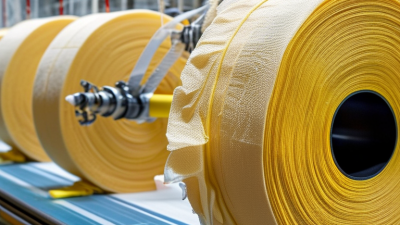
Packaging can affect both product quality and freight costs. Check whether rolls are wrapped against moisture and dust, then secured on pallets or packed in cartons. Request package dimensions and gross weight before booking transport; bulky rolls may be charged by volume rather than weight. Confirm how many rolls fit in a container, and whether unloading equipment is available at the destination. I would not assume every pallet arrives in perfect shape.
Before ordering, check import requirements for the destination country. Confirm the correct product classification, document list, marking rules, and any applicable duties with a qualified customs broker or local authority. Requirements can vary by material and intended use. Ask for a commercial invoice, packing list, and shipping document, and make sure their details match the order. A sample shipment may reveal packaging or paperwork gaps, though it cannot guarantee that a full shipment will clear without delay.
Nonwoven Fabric Buying Guide: Compare GSM Before You Import
Typical GSM specifications vary by application. Fabric weight affects material use and can influence quoted cost, roll weight, packaging, and freight. These ranges are indicative examples, not universal standards; confirm the required specification with your supplier.
Import tip: Request the GSM tolerance, roll width and length, rolls per package, gross and net weights, and packing dimensions on the quotation. Check destination-country labeling and customs requirements before shipping.