Request quote
Request a quote

    Top 10 Non Woven Machine Manufacturers Worldwide

    Choosing the right non woven machine manufacturer can shape product quality, operating costs, and long-term production stability. This guide examines ten internationally recognized companies serving spunbond, meltblown, spunlace, needle-punch, and other nonwoven segments. Their machines may produce medical fabrics, filtration media, hygiene materials, agricultural covers, and industrial textiles. Each application demands different web uniformity, line speed, fiber control, and finishing performance.

    The comparison considers practical evidence rather than reputation alone. We look at equipment design, automation, energy use, maintenance access, installation support, and documented production experience. Factory references matter. So do commissioning records, spare-parts availability, operator training, and warranty terms. A polished brochure cannot reveal every operating challenge. Real performance often appears after months of continuous production. Small details count, such as stable temperature control, accessible filter changes, and clear alarm systems. They save time.

    No single supplier is ideal for every buyer. Some manufacturers excel in high-capacity lines, while others provide flexible systems for specialized materials. Public information can also be incomplete, inconsistent, or difficult to compare across regions. That limitation deserves attention. Readers should verify technical specifications, visit working installations when possible, and request samples made with their intended raw materials. This article offers a structured starting point, not a substitute for engineering due diligence. The strongest choice will balance proven expertise, transparent communication, and realistic support after delivery. Performance comes first.
    Top 10 Non Woven Machine Manufacturers Worldwide

    Definition and Role of Nonwoven Machines in Modern Manufacturing

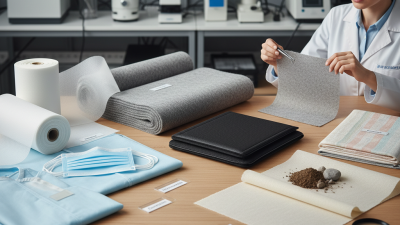
    Nonwoven machines convert loose fibers or polymer materials into engineered sheets without traditional weaving or knitting. They form, bond, dry, treat, and wind the web into usable rolls. Common bonding methods include thermal, chemical, mechanical, and hydroentanglement processes. Each method changes strength, softness, filtration, and absorbency.

    In modern manufacturing, these machines connect material science with dependable production. A stable line can control basis weight, thickness, moisture, and roll tension. Operators monitor airflow, temperature, pressure, and line speed through digital systems.

    Small changes matter. A few degrees can affect bonding quality, while uneven tension may create wrinkles or weak edges. In practical plant evaluations, I would inspect output samples, maintenance access, safety controls, and technical records. A fast machine is not always the best machine. It may waste energy or require difficult repairs. That point is easy to miss.

    Tips:

    Compare machines by application, not advertising claims. Check the target GSM range, fiber compatibility, working width, and realistic production speed. Request test runs with your actual material. Measure tensile strength, elongation, air permeability, and appearance. Ask how quickly filters, belts, needles, or rollers can be replaced. Clear manuals and responsive technical support also indicate manufacturer reliability. Still, every factory has different conditions. A machine that performs well in one plant may need careful adjustment elsewhere.

    Key Technologies Used in Nonwoven Machine Production

    Top 10 Non Woven Machine Manufacturers Worldwide

    Key Technologies Used in Nonwoven Machine Production

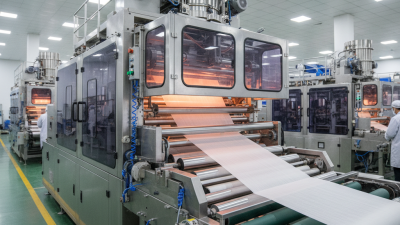
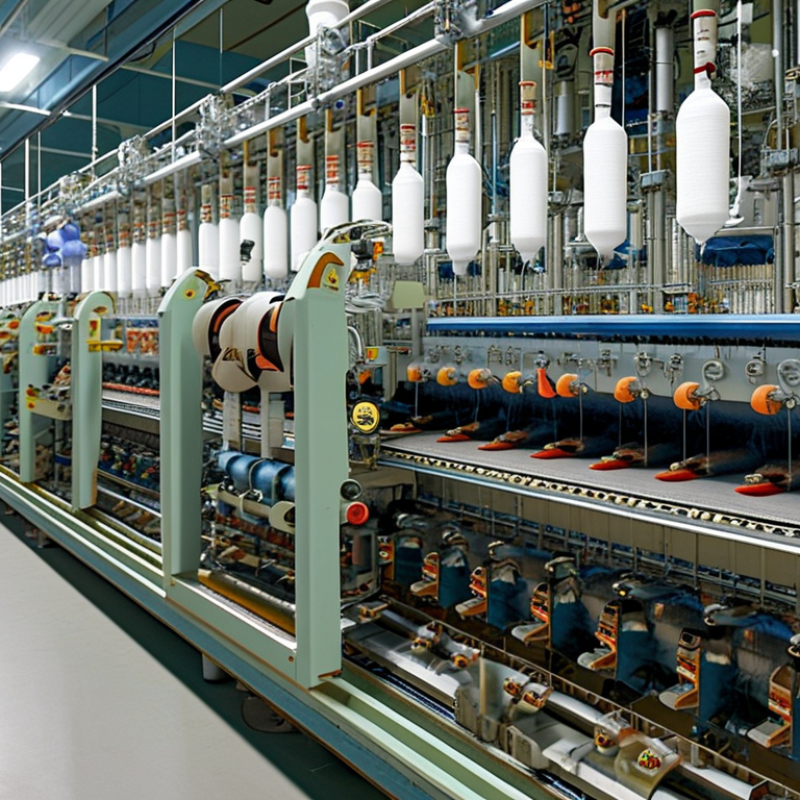
    Modern nonwoven machines combine fiber preparation, web forming, bonding, and digital control. Spunbond lines use continuous polymer filaments, while meltblown systems create fine fibers through high-speed hot air. Spunlace equipment uses thousands of water jets to entangle fibers. Needle-punching machines mechanically interlock webs with barbed needles. Thermal bonding then applies controlled heat and pressure.

    Automation is becoming central. Inline cameras measure web defects, basis weight, and fiber distribution. PLC systems adjust speed, temperature, pressure, and tension within seconds. Energy monitoring also matters, especially for drying and air-handling units. Grand View Research valued the global nonwoven fabric market at about USD 53.5 billion in 2023 and projected a 7.8% CAGR from 2024 to 2030. Smithers’ industry outlook also highlights demand for lighter, stronger, and more recyclable materials. These figures explain why machine builders invest in precision controls and flexible production lines.

    Tips: Check fiber compatibility before selecting a machine. Test basis weight stability across the full working width. Ask for energy data under real production conditions, not laboratory settings. Inspect maintenance access closely. Small design details can reduce downtime. Manual checks still remain common in some plants, and that weakness deserves attention. Even advanced systems need trained operators, reliable calibration, and honest production records.

    Criteria for Evaluating Global Nonwoven Machine Manufacturers

    Evaluating global nonwoven machine manufacturers requires more than comparing catalog prices. A reliable assessment begins with production fit: target fabric weight, fiber type, working width, output speed, and required automation. A machine designed for hygiene materials may not suit filtration or geotextile production. Technical drawings should match the buyer’s actual floor space, power supply, and maintenance capacity.

    Manufacturing quality also deserves direct verification. Review material certificates, welding quality, electrical protection, control-system documentation, and factory acceptance testing. Ask for measured results, not optimistic claims. Stable web formation, low vibration, consistent gsm, and clear alarm records reveal practical performance. Supplier experience matters too. Check installations with similar products, commissioning procedures, operator training, spare-part lead times, and response times after delivery. ISO certificates can support credibility, but they cannot replace technical evidence. A perfect score is unrealistic. Some suppliers publish excellent specifications but provide weak after-sales support.

    Tips: Request a sample run using your own fiber blend. Observe edge control, dust handling, noise, and cleaning access. Record energy use during a full production shift. Ask who will repair the machine at 2 a.m. when a sensor fails. Small details matter. Also, leave room for honest uncertainty; projected capacity may change with raw-material quality, operator skill, and local conditions. Cost should be evaluated across installation, training, downtime, consumables, and future upgrades, not only the purchase quotation.

    Top 10 Nonwoven Machine Manufacturers Worldwide

    Top 10 Nonwoven Machine Manufacturers Worldwide

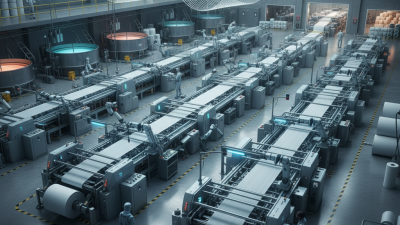
    The top ten nonwoven machine manufacturers worldwide are judged by more than production speed. Their strength often appears in stable web formation, accurate fiber dosing, and consistent bonding. Leading suppliers typically serve spunbond, meltblown, needle-punch, airlaid, and thermal-bonding applications.

    A reliable manufacturer should provide machines that handle different fibers and product weights. For example, a modern line may produce materials from 20 to 160 grams per square meter. Operators also value automatic tension control, clean air systems, and simple screen-based adjustments. These details reduce waste during long production runs. They also make training easier.

    Proven experience matters. Manufacturers with installations across several regions usually understand humidity, power quality, maintenance skills, and local safety expectations. Technical evidence should include factory tests, production samples, service records, and realistic energy data. Claims without measurable proof deserve caution. No ranking is perfect. A supplier may excel in high-speed spunbond equipment but perform less strongly in specialty filtration lines. Buyers should inspect reference sites, not only brochures. That step is sometimes missed. Comparing spare-part access, response time, and upgrade options can reveal the real value of a machine. The best choice depends on product goals, factory conditions, and long-term operating discipline.

    Industry Applications and Future Trends in Nonwoven Machinery

    Nonwoven machinery is moving beyond basic roll production. A review of the top ten manufacturers should examine application flexibility, energy use, and process control. Hygiene products remain major consumers, including diapers, feminine care products, and adult incontinence materials. Filtration is expanding in HVAC systems, water treatment, and industrial dust collection. Medical fabrics also require stable webs, clean production rooms, and precise bonding.

    The numbers are significant. Grand View Research estimates the global nonwoven fabric market could reach USD 78.1 billion by 2030, with a 7.7% compound annual growth rate from 2024 to 2030. Smithers also identifies filtration, healthcare, and construction as important growth areas. These sectors are pushing machinery toward faster line speeds and more accurate fiber distribution. New systems increasingly use sensors, automated tension control, and data-based maintenance. Less waste matters too. Recycling-compatible fibers and lower-temperature bonding may reduce energy demand, although results depend on material selection and factory conditions.

    Future equipment will likely combine spunbond, meltblown, airlaid, needle-punching, and hydroentanglement technologies. Modular lines can serve several markets without replacing the entire system. That sounds efficient. It is not always simple. Operators still face inconsistent recycled feedstock, difficult quality testing, and high installation costs. Industry forecasts can also differ because market definitions are not identical. Buyers should verify production data, lifecycle performance, and local service capacity before comparing machinery.

    Top 10 Non Woven Machine Manufacturers Worldwide - Industry Applications and Future Trends in Nonwoven Machinery

    Brand-neutral overview of the main nonwoven machinery categories, production technologies, applications, and future development priorities.

    Rank Machinery Category Primary Web-Forming Technology Typical Feedstock Indicative Basis-Weight Range Main Industry Applications Key Performance Priorities Important Future Trend
    1 Spunbond and SMS Lines Continuous extrusion, spinning, web laying, and thermal bonding; SMS combines spunbond and meltblown layers. Polypropylene, polyester, polyethylene, and selected bio-based polymers. Approximately 10–250 g/m², depending on product design. Hygiene products, medical gowns, masks, filtration media, agriculture covers, construction membranes, and geotextiles. High throughput, uniform basis weight, tensile strength, low defect rates, and stable polymer processing. Lower energy consumption, lighter products, recycled polymer integration, and more precise online process control.
    2 Meltblown Lines High-speed hot-air attenuation of extruded polymer filaments onto a moving collector. Primarily polypropylene, with polyester and other thermoplastic polymers used for selected applications. Approximately 10–100 g/m² for many filtration and absorbent-media applications. Air filtration, liquid filtration, medical barriers, absorbent cores, battery separators, and insulation. Fine-fiber formation, filtration efficiency, pressure drop, uniformity, and electrostatic-charge stability where applicable. Advanced filtration structures, lower-pressure-drop media, recyclable constructions, and flexible multi-beam configurations.
    3 Spunlace or Hydroentanglement Lines Mechanical entanglement of fibers using high-pressure water jets, followed by dewatering and drying. Viscose, polyester, cotton, wood-pulp fibers, lyocell, and blended cellulosic fibers. Approximately 30–250 g/m². Wipes, medical textiles, cosmetic pads, filtration, artificial leather substrates, and household cleaning materials. Softness, absorbency, wet strength, pattern definition, water recovery, and drying efficiency. Flushability-compatible designs, plastic-free wipes, closed-loop water systems, and greater use of renewable fibers.
    4 Needlepunch Lines Mechanical fiber entanglement through repeated penetration by barbed needles. Polypropylene, polyester, recycled fibers, natural fibers, aramid, and specialty technical fibers. Approximately 80–3,000 g/m², depending on the line configuration and end use. Automotive interiors, carpets, roofing, geotextiles, filtration, insulation, sound absorption, and artificial leather bases. Thickness control, dimensional stability, penetration uniformity, production speed, and resistance to abrasion. Greater use of recycled fibers, automated needle-board control, lightweight automotive materials, and improved energy efficiency.
    5 Airlaid Lines Dry fiber dispersion and air forming, followed by thermal, chemical, or latex bonding. Fluff pulp, cellulose fibers, synthetic staple fibers, superabsorbent materials, and specialty additives. Approximately 30–1,000 g/m². Absorbent hygiene cores, food pads, oil-absorbent materials, wipes, filtration, and battery-related separator structures. Bulk, absorbency, formation uniformity, dust control, additive distribution, and low material waste. Thinner absorbent cores, bio-based binders, improved dust-management systems, and higher recycled-cellulose content.
    6 Thermalbond and Through-Air Bonding Lines Heat activation of bicomponent or thermoplastic fibers using calenders, hot air, or combinations of both. Polyester, polypropylene, polyethylene, bicomponent fibers, and low-melt binder fibers. Approximately 15–300 g/m². Hygiene topsheets, filtration, automotive fabrics, insulation, mattress components, and lightweight technical textiles. Bond strength, loft retention, softness, thermal uniformity, and controlled shrinkage. Lower-temperature bonding, recyclable mono-material structures, and digitally optimized airflow and temperature control.
    7 Wetlaid Lines Aqueous dispersion of short fibers, sheet formation, dewatering, drying, and optional bonding or treatment. Cellulose pulp, glass fibers, mineral fibers, synthetic short fibers, and specialty fibrillated materials. Approximately 10–300 g/m². Filtration, electrical insulation, battery separators, laboratory materials, wipes, and specialty papers. Fiber dispersion, sheet uniformity, water removal, pore structure, and process-water management. Water recycling, reduced chemical usage, functional membranes, and integration with advanced filtration materials.
    8 Coating, Laminating, and Composite Lines Adhesive, extrusion, thermal, or ultrasonic bonding of nonwoven webs with films, foams, fabrics, or functional layers. Nonwoven webs combined with thermoplastic films, membranes, foams, paper, woven fabrics, or chemical coatings. Approximately 20–500 g/m² for many composite constructions. Medical barriers, roofing, packaging, automotive trim, protective clothing, construction, and flexible technical materials. Bond strength, barrier performance, coating uniformity, dimensional stability, and low volatile emissions. Solvent-free adhesives, recyclable mono-material laminates, thinner barrier films, and inline defect inspection.
    9 Recycling and Fiber-Opening Equipment Sorting, shredding, tearing, opening, blending, dust separation, and preparation of reclaimed fiber streams. Post-industrial textile waste, production trim, selected post-consumer textiles, and polymer production scrap. Output varies widely according to fiber length, contamination, feedstock type, and downstream process. Recycled nonwovens, insulation, automotive components, padding, geotextiles, and molded fiber products. Fiber preservation, contamination removal, dust reduction, consistent blending, and traceable recycled content. Closed-loop production, automated sorting, chemical recycling compatibility, and design-for-recycling requirements.
    10 Slitting, Winding, Cutting, and Converting Machines Roll handling, precision slitting, rewinding, perforation, folding, die cutting, and automated packaging. Finished spunbond, meltblown, spunlace, airlaid, needlepunch, wetlaid, or laminated nonwoven rolls. Approximately 15–1,000 g/m², depending on the converted product and machine design. Wipes, medical disposables, hygiene components, filter media, packaging, protective covers, and industrial rolls. Cutting accuracy, roll quality, tension control, changeover speed, waste reduction, and production traceability. Robotics, machine vision, predictive maintenance, small-batch flexibility, and connected manufacturing systems.

    Data Notes

    The ranking is a brand-neutral industry classification based on the global relevance and breadth of each machinery category, rather than a ranking of individual companies. Basis-weight figures are indicative commercial ranges and vary by fiber type, line configuration, bonding method, product design, and operating conditions. Industry applications and future trends reflect widely established nonwoven manufacturing practices and current technology-development priorities.