Top 10 Non Woven Fabric Types for Your Next Project?
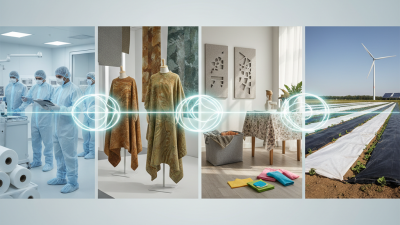
When embarking on a new project, selecting the right materials is crucial. Among these materials, non woven fabric has gained significant attention. Its versatility and unique properties make it a favorite in various industries. From fashion to medical applications, non woven fabric offers a blend of functionality and style.
This article explores the top ten types of non woven fabric. Each option presents distinct features and benefits. For instance, some non woven fabrics are durable, while others focus on softness. Understanding these differences can greatly enhance your project's success. Yet, the decision-making process can be challenging. It's essential to reflect on the specific needs of your project and how various fabrics will meet those needs.
Remember, not every fabric will suit all applications. You might encounter options that seem ideal at first glance but don’t meet performance criteria. Therefore, careful consideration is key. Your choice of non woven fabric can make or break your project. Explore the possibilities and find the best fit for your requirements.
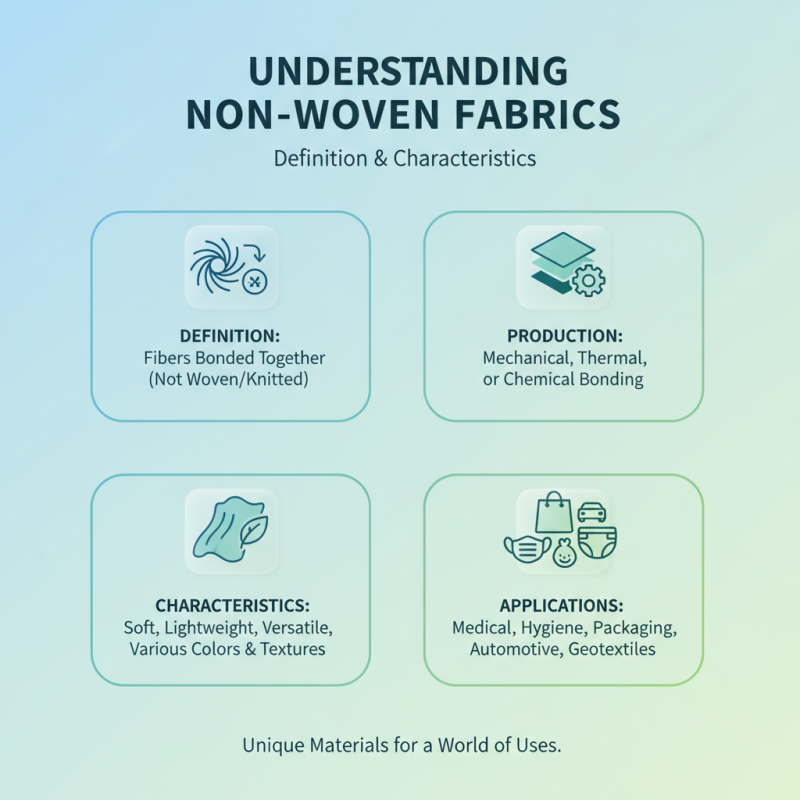
Understanding Non Woven Fabrics: Definition and Characteristics
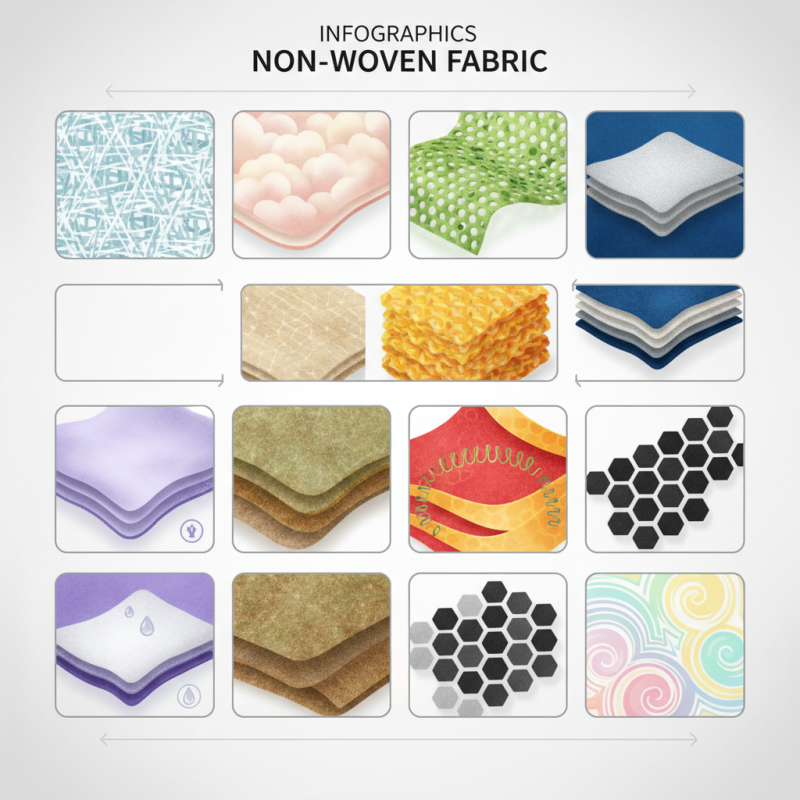
Non woven fabrics are versatile. They are made by bonding fibers together. This process creates unique materials, distinct from woven or knitted fabrics. Non woven fabrics are used in many applications. They are soft, lightweight, and can be produced in various colors and textures.
Tips for selecting non woven fabrics: Consider the purpose of your project. If durability is essential, choose thicker materials. For disposable items, lighter weights work best. Remember, not all non woven fabrics are the same. Some can fray or lose strength when wet. Always conduct a small test before large-scale production.
Another important aspect is environmental impact. Some non woven fabrics are made from synthetic materials. They may not be biodegradable. Look for eco-friendly options when possible. It’s essential to research and reflect on the sustainability of your choices. With non woven fabrics, the possibilities are exciting, but they do require thoughtful consideration.
Key Applications of Non Woven Fabrics in Various Industries
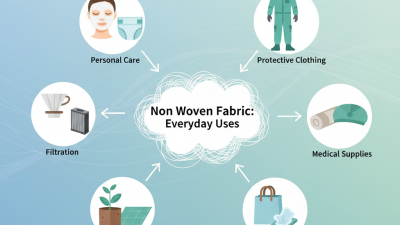
Non woven fabrics have diverse applications across many industries. Their versatility allows them to be used in medical, automotive, and construction sectors. In healthcare, non woven materials are crucial for manufacturing gowns, masks, and sterilization wraps. These items ensure safety and hygiene in medical environments.
In the automotive industry, non woven fabrics help in soundproofing and insulation. They can also be found in seat covers and carpets. This helps enhance the overall aesthetic and functionality of vehicles. In construction, durable non woven geotextiles improve soil erosion control. They effectively separate soil layers while retaining water.
Tips: When selecting non woven fabrics, consider the specific needs of your project. Fabric weight and durability are essential factors. Testing the fabric with your intended application can prevent issues later. Also, remember that some non woven types may not be eco-friendly. Always research the material's environmental impact before making a decision.
Top 10 Non Woven Fabric Types for Your Next Project
| Fabric Type |
Key Applications |
Properties |
Industry Use |
| Spunbond |
Medical gowns, geotextiles |
Lightweight, durable |
Healthcare, construction |
| Meltblown |
Face masks, filtration |
High filtration efficiency |
Medical, environmental |
| Needlepunch |
Carpets, automotive interiors |
Robust, versatile |
Automotive, textiles |
| Hydroentangled |
Wet wipes, medical products |
Soft, absorbent |
Personal care, healthcare |
| Composite Fabrics |
Agricultural covers, protective apparel |
Enhanced durability |
Agriculture, industry |
| Bico Fiber |
Hygiene products, diapers |
Soft touch, efficient fluid management |
Consumer goods |
| Thermal Bonded |
Insulation materials, packaging |
Thermal resistant |
Construction, packaging |
| Airlaid |
Absorbent products, feminine hygiene |
Highly absorbent |
Personal care, medical |
| Stitchbonded |
Geotextiles, roofing |
Strong, flexible |
Civil engineering |
Comparison of Popular Non Woven Fabric Types for Durability and Cost
When selecting non-woven fabrics, durability and cost are key factors. Whether you're crafting bags or medical supplies, the right material matters. Spunbond fabric stands out for its strength and resistance to wear. It's often a preferred choice for various projects. On the other hand, meltblown fabric is known for its excellent filtration properties. This feature makes it highly suitable for masks and other protective gear.
Cost efficiency varies among fabric types. For instance, polypropylene non-woven fabric tends to be more affordable. Its balance of cost and durability makes it popular. However, higher-end options like biobased non-wovens add a sustainable angle. They may cost more, but they offer unique benefits that justify the price. Understanding these differences can simplify your decision-making process.
Not all non-woven fabrics perform equally well in all applications. For example, some might lose structural integrity when wet. Others may not hold up well under stress. It's essential to consider project requirements carefully. Experimenting with different types can lead to better outcomes. Investing time in research can pay off in your final product's quality.
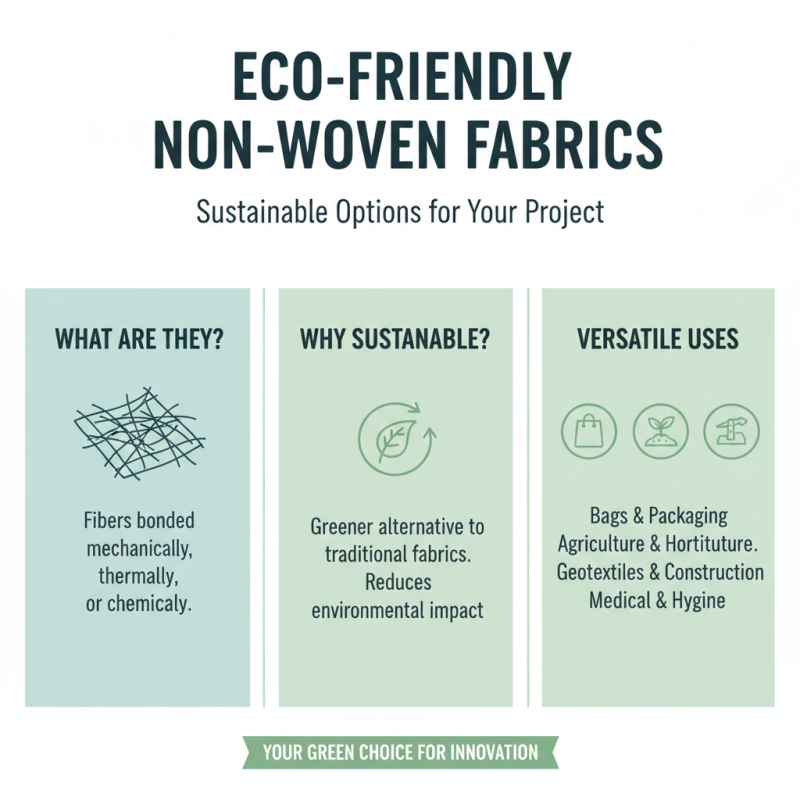
Eco-Friendly Non Woven Fabrics: Sustainable Options for Your Project
Eco-friendly non-woven fabrics have gained popularity for sustainable projects. These materials are made from fibers that are bonded together through mechanical, thermal, or chemical processes. They provide a greener alternative to traditional fabrics, offering versatility in various applications.
One interesting aspect is their biodegradability. Many eco-friendly options decompose naturally over time, reducing landfill waste. You can find non-woven fabrics suitable for everything from shopping bags to medical supplies. However, not all non-woven fabrics are created equal. Some may still contain harmful synthetic additives. It’s essential to research the specific type before making a decision.
Recycling is another area to consider. While some non-woven fabrics can be recycled, others end up in landfills. This can be disappointing for eco-conscious consumers. Being mindful of the material's lifecycle will improve your project's overall sustainability. Selecting the right non-woven fabric requires careful thought and reflection. It’s worth the extra effort for the environment.
Tips for Selecting the Right Non Woven Fabric Type for Your Needs
When selecting the right non-woven fabric type for your project, consider the intended use. Non-woven fabrics vary greatly in terms of durability, weight, and absorbency. For instance, a report from Smithers Pira indicates that the global non-woven fabric market is projected to reach $50 billion by 2025. This growth highlights the increasing demand for diverse fabric types.
One commonly used type is spunbonded, known for its strength. It’s ideal for medical applications due to its barrier properties. On the other hand, needled non-woven fabric is softer. It’s often chosen for garments and upholstery because of its comfort. Often, people overlook the importance of fabric thickness. A thicker fabric may not always be better. It could lead to issues like stiffness or lack of flexibility in use.
Recycling potential is another factor to consider. Some fabrics are recyclable, while others aren’t. Industry data shows that less than 30% of non-woven materials are recycled. This raises concerns about sustainability. It’s crucial to weigh the fabric’s performance against its environmental impact. A well-informed decision can enhance the efficacy of your project. However, this also requires ongoing reflection on your choices and their consequences.
Top 10 Non Woven Fabric Types for Your Next Project