Top Tips for Sourcing Non Woven Textiles Globally
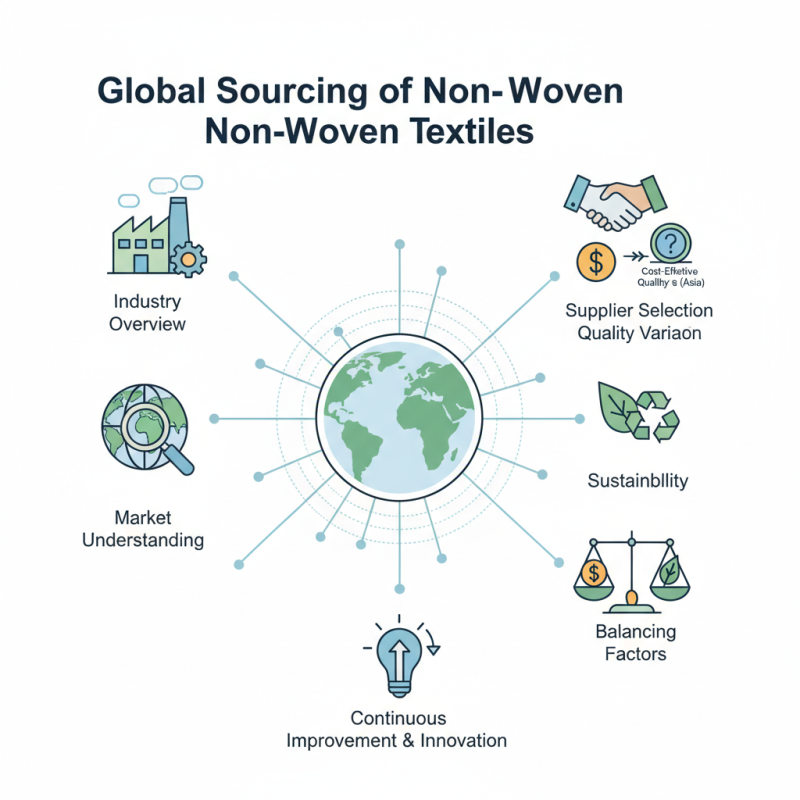
Sourcing non woven textiles globally can be a complex task. The industry is vast, with diverse materials and suppliers. Understanding the market is key to making informed decisions.
Choosing the right suppliers is critical. Each region offers unique advantages and challenges. For instance, Asia often provides cost-effective options. However, quality may vary significantly. Researching suppliers is essential for ensuring reliability.
It is important to consider sustainability. Many companies now prioritize eco-friendly materials. This can differentiate brands in a competitive market. Balancing cost, quality, and sustainability may seem daunting. However, finding the right non woven textile can enhance your product's appeal. Keeping an open mind and continuously seeking improvement will lead to better sourcing outcomes.
Understanding Non Woven Textiles and Their Applications
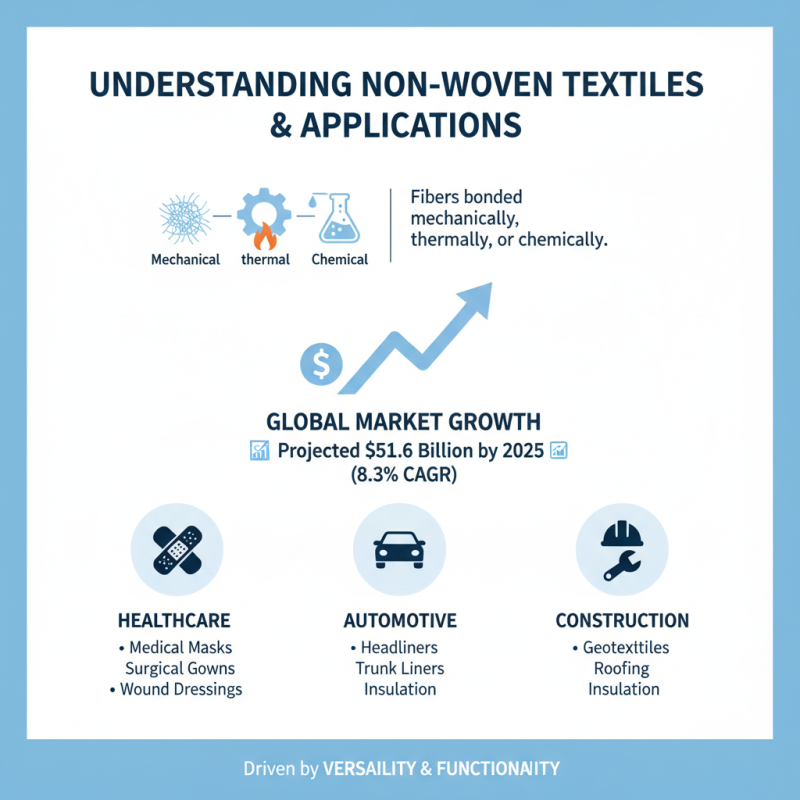
Non woven textiles are becoming increasingly essential in various industries, including healthcare, automotive, and construction. These materials are made by bonding fibers together using mechanical, thermal, or chemical processes. According to a report by Research and Markets, the global non woven fabrics market is projected to reach USD 51.6 billion by 2025, with a CAGR of 8.3%. This growth is primarily driven by their versatility and functionality.
In healthcare, non woven textiles are critical in producing medical gowns, masks, and disposable bed linens. These materials provide excellent barrier properties against liquids and pathogens. For instance, a study indicated that spunbond non woven fabrics demonstrate outstanding strength and filtration efficiency, making them ideal for surgical applications.
Tip: Prioritize suppliers who focus on innovation and sustainability. Look for manufacturers that use recyclable materials. Another key point is to assess the regional regulations and certifications related to non woven textiles to ensure compliance. Many suppliers now offer eco-friendly options to meet growing environmental demands.
Understanding the applications of non woven textiles can help businesses leverage their benefits effectively. Industries must remain open to adapting innovative solutions while reflecting on the challenges of sourcing quality materials globally. Cost and quality can sometimes conflict, making it essential to balance these factors carefully.
Key Factors to Consider When Sourcing Non Woven Materials
When sourcing non-woven textiles globally, there are several key factors to consider. Quality stands out as a primary concern. Ensure the materials meet industry standards. Request samples to evaluate texture, strength, and durability. This hands-on approach can prevent costly mistakes. Geographic location also plays a significant role. Select suppliers in regions known for textile manufacturing. This can streamline logistics and reduce shipping times.
Another critical aspect is sustainability. More buyers prioritize eco-friendly materials. Look for suppliers who practice sustainable sourcing methods. This not only boosts your brand image but aligns with market trends. Compliance with regulations is vital. Different countries have varying standards for textiles. Verify that your chosen suppliers comply with local and international laws.
Communication is essential throughout the sourcing process. Establish clear guidelines and expectations with your suppliers. Misunderstandings can lead to delays and financial losses. Regular updates help maintain transparency and foster good relationships. Reflect on your sourcing strategy periodically. Adaptation is key in a rapidly changing market. Consider feedback from clients to refine your approach.
Top Tips for Sourcing Non Woven Textiles Globally - Key Factors to Consider When Sourcing Non Woven Materials
| Factor | Description | Considerations | Examples |
|---|---|---|---|
| Material Quality | Evaluate the durability and performance of non woven textiles. | Check for certifications and test reports. | High GSM, tear-resistant fabrics. |
| Supplier Reliability | Assess the trustworthiness and history of suppliers. | Look for reviews and feedback from previous clients. | Long-term partners with good track records. |
| Cost Competitiveness | Compare prices while considering total cost of ownership. | Consider shipping, duties, and minimum order quantities. | Bulk purchase discounts. |
| Sustainability Practices | Understand the environmental impact of the materials used. | Ask for information on sourcing and manufacturing methods. | Recyclable or biodegradable options. |
| Lead Times | Establish expected delivery times for orders. | Plan ahead to avoid disruptions in supply chain. | Regular updates on order status. |
Identifying Reliable Suppliers in the Global Market
Identifying reliable suppliers in the global market for non woven textiles is crucial for businesses. The demand for non woven fabrics is growing, with a projected market size of USD 52.6 billion by 2027. Sourcing from trustworthy suppliers ensures quality and consistency. In this competitive landscape, having a robust supplier identification strategy is essential.
Tip: Evaluate supplier certifications. Check for ISO 9001 or equivalent certifications. This indicates adherence to quality management principles. Suppliers with certifications often show better processes and higher reliability.
Researching suppliers online is another effective approach. Utilize platforms like LinkedIn to review supplier profiles and gather insights. However, beware of solely digital impressions. Always seek firsthand testimonials or references. Verifying through third-party reviews can provide more context about a supplier's reliability.
Tip: Create a supplier shortlist. Focus on suppliers with a strong track record. Aim for those who serve reputable clients in the industry. While many suppliers may have appealing online presences, practical assessments yield better insights. Establish direct communication to discuss specifics; this human touch often reveals invaluable information overlooked in written communication.
Global Sourcing Trends for Non Woven Textiles (2023)
Evaluating Quality and Compliance Standards for Non Woven Textiles
When sourcing non woven textiles globally, evaluating quality and compliance standards is crucial. Start by understanding the specific requirements for the products. Check for relevant certifications and testing standards used in your target markets. These can indicate the material's durability and safety. Many manufacturers vary in their compliance levels, so rigorous assessment is essential.
Quality control measures should be established at every stage. Visit production facilities if possible. Inspect raw materials and finished products to ensure they meet your criteria. This hands-on approach can reveal insights beyond what documents can convey. Be cautious of suppliers who cannot provide transparency about their processes or materials.
Consider the testing methods employed. Look for labs that adhere to international standards when testing samples. The reliability of these tests directly impacts the safety and compliance of the textiles. Engage with experts who can provide deeper insights into the industry’s best practices. Regularly revisiting these standards helps maintain a competitive edge in a constantly evolving market.
Building Long-Term Relationships with Non Woven Fabric Suppliers
Building long-term relationships with non woven fabric suppliers is crucial for success in the textile industry. Trust is the foundation. A strong supplier partnership can lead to better quality materials and favorable pricing. According to a market research report by Smithers, the global non woven fabric market is projected to reach $58 billion by 2025. This growth shows the increasing demand and importance of reliable suppliers.
Communication plays a significant role. Regular check-ins help address any issues before they escalate. Many companies overlook this aspect, assuming their suppliers understand their needs. However, clear communication allows for better alignment on expectations. It's beneficial to visit suppliers' facilities if possible. This builds rapport and provides insights into their operations.
It's easy to fall into a routine, but every supplier relationship needs attention. Mistakes can lead to supply chain disruptions. The World Textile Information Network suggests that maintaining a feedback loop ensures suppliers can adapt to changing demands. This adaptability is vital in a competitive market, where innovation and responsiveness define success. Regular assessments of supplier performance can uncover opportunities for improvement.
Related Posts
-
What is Non Woven Textile Manufacturers and Their Key Benefits for Businesses
-
10 Essential Tips for Choosing the Best Non Woven Fabric for Your Projects
-

Why Non Woven Fabric Manufacturers Are Key to Sustainable Industry Solutions
-
What is Non Woven Fabric and How is it Used in Everyday Products
-

Top 2025 Uses and Benefits of Non Woven Fabric You Need to Know
-

How to Choose the Best Non Woven Fabric for Your Projects