Request quote
Request a quote

    Why Is Non Woven Fabric So Popular?

    A grocery bag, a medical mask, and a plant-covering sheet may look unrelated, yet each can be made from non woven fabric. Unlike woven cloth, this material is formed by bonding fibers through heat, pressure, or other processes. The result can be light, flexible, and quick to produce. That combination helps explain why it appears in products used at home, in healthcare, and across many industries. Small details matter.

    This introduction to about non woven fabric explores how its structure affects strength, breathability, absorbency, and cost. Different fibers and bonding methods create very different results. A soft wipe, for example, needs different properties from a durable filter or reusable bag. Manufacturers can also tailor thickness and texture for specific uses. But “non woven” does not mean one standard material, and it does not automatically mean sustainable. Performance and environmental impact depend on the fibers, product design, frequency of use, and disposal options. That part is easy to overlook. Understanding both the advantages and the trade-offs makes it easier to see why non woven fabric is popular—and where its limits deserve a closer look.
    Why Is Non Woven Fabric So Popular?

    What Is Nonwoven Fabric and How Is It Made?

    Nonwoven fabric is a sheet of fibers bonded without traditional weaving or knitting. Think of a soft web of fibers pressed together, rather than threads crossing over and under. Manufacturers form the web by carding, air-laying, or extruding melted polymer into fine filaments. They then bond it with heat, water jets, or adhesives. The method shapes its feel and strength.

    For example, spunbond fabric often has continuous filaments, while meltblown layers use much finer fibers. These structures appear in wipes, filters, medical coverings, and shopping bags. EDANA’s 2023 annual statistics reported about 2.77 million tonnes of nonwoven production in Europe, a 5.6% decline from 2022. The figure shows the scale of the industry, not that every product has the same impact. “Popular” does not mean automatically sustainable. Material choice, product life, and disposal all matter. That distinction is easy to overlook.

    Tip: Check the label for fiber type and bonding method. A reusable bag and a disposable wipe may both be nonwoven, but their intended uses differ. For a filter, look for performance specifications, not just a soft feel.

    Which Properties Set Nonwoven Fabric Apart?

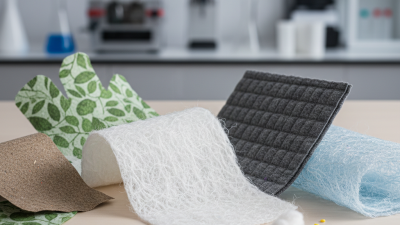
    Nonwoven fabric stands apart because its structure can be engineered for a specific job. Instead of weaving yarns, manufacturers bond fibers through heat, pressure, or mechanical processes. That allows properties such as thickness, pore size, softness, and strength to be adjusted. A lightweight spunbond layer may let air pass while resisting tearing; a needled web can feel denser and help trap particles. Some webs absorb liquid well. Others are designed to filter it. The material is not one-size-fits-all.

    EDANA’s 2023 European production statistics report about 2.87 million tonnes of nonwoven production, down 5.6% from 2022. The figures reflect a large, varied sector, not proof that every nonwoven performs equally well. In practice, performance depends on fiber choice, bonding method, and intended use. A soft, breathable sheet may lack the wet strength needed for repeated handling. That matters. Recyclability also varies with fiber blends and finishes, so “lightweight” does not automatically mean “lower impact.” It is tempting to praise versatility and stop there. Better to check the product’s tested strength, filtration or absorption data, and end-of-life options.

    Where Is Nonwoven Fabric Commonly Used?

    Nonwoven fabric appears in products people use without noticing it. In hygiene, it forms the soft outer layers of diapers and sanitary products, while absorbent cores manage liquid. In healthcare, disposable gowns, masks, and wound dressings use selected nonwovens for protection, filtration, or fluid handling. Performance depends on the fiber, bonding method, and product design.

    Its reach extends well beyond personal care. HVAC filters and vehicle cabin filters use porous webs to trap particles while allowing airflow. In construction, geotextiles sit beneath roads to separate soil layers and help manage drainage. Farmers also use lightweight crop covers to reduce wind exposure and limit moisture loss. Grand View Research estimated the global nonwoven fabric market at USD 53.9 billion in 2023, projecting a 5.4% compound annual growth rate from 2024 to 2030 in its Nonwoven Fabric Market report. That scale reflects varied uses, not one single application.

    A material’s usefulness is not a guarantee of low environmental impact. Many disposable products combine fibers or contain plastics, making collection and recycling difficult. This is easy to overlook. Choosing a nonwoven for a specific job requires checking strength, breathability, filtration performance, and end-of-life options—not just softness or price.

    How Does Nonwoven Fabric Meet Industry and Consumer Needs?

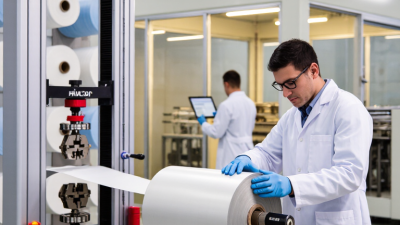
    Nonwoven fabric meets different needs because its structure can be tuned for specific jobs. Manufacturers bond fibers through heat, pressure, or chemical processes, adjusting softness, strength, absorbency, and airflow. A lightweight sheet can help keep dust out of a vehicle cabin; a soft, absorbent layer can manage moisture in hygiene products. In medical settings, carefully designed nonwovens can provide filtration or fluid barriers. The right performance depends on fiber choice, construction, and testing—not simply on calling a material “nonwoven.”

    Demand reflects this range of uses. Grand View Research estimated the global nonwoven fabrics market at USD 53.9 billion in 2023 and projected a 6.1% compound annual growth rate from 2024 to 2030. That estimate signals broad industrial and consumer demand, though market growth alone does not prove that every product meets user needs. For buyers, practical details matter: Will a mask filter effectively? Will a wipe stay strong when wet? Can a building layer withstand repeated exposure? Small failures count. Nonwoven products can be efficient and lightweight, but they are not automatically sustainable. Fiber blends, coatings, and disposal options complicate recovery, and some designs remain difficult to recycle. That deserves more attention.

    Why Is Non Woven Fabric So Popular? - How Does Nonwoven Fabric Meet Industry and Consumer Needs?

    Industry or Use Typical Nonwoven Material or Structure Need Addressed Why It Is a Practical Choice Important Consideration
    Medical and healthcare Spunbond or spunbond–meltblown–spunbond (SMS) polypropylene Disposable gowns, masks, caps, drapes, and other protective products Can be engineered for fluid resistance, particle filtration, and breathability, depending on the product design. Performance depends on construction, testing, and intended use; not every nonwoven provides the same level of protection.
    Hygiene products Polypropylene or polyester spunbond, often combined with other absorbent layers Diapers, feminine care products, and adult incontinence products Lightweight, soft facing layers can help move liquid toward absorbent materials and support high-volume manufacturing. Softness, skin contact, liquid handling, and disposal requirements must be considered together.
    Filtration Meltblown microfiber webs, sometimes used with supporting layers Air and liquid filtration in applications such as HVAC filters and selected protective products Fine fibers and controlled web structure can capture particles while allowing air or liquid to pass. Filtration efficiency and pressure drop vary with fiber structure, thickness, and operating conditions.
    Automotive Polyester, polypropylene, or blended needlepunch and thermally bonded webs Interior liners, trunk trim, insulation, and selected underbody components Can be shaped or laminated and designed for low weight, sound absorption, cushioning, or surface coverage. Heat, abrasion, flammability, and vehicle-specific performance requirements affect material selection.
    Construction and geotextiles Polypropylene or polyester spunbond and needlepunch fabrics Separation, filtration, drainage, and reinforcement in civil engineering projects Porous structures can allow water movement while helping separate soil layers or protect drainage systems. Correct selection depends on soil conditions, installation, strength, and project design.
    Home and furniture Polyester or polypropylene needlepunched, thermally bonded, or spunbond fabrics Carpet backing, mattress components, upholstery backing, and protective covers Offers flexible choices in thickness, firmness, surface texture, and cost for products made in different shapes. Durability, cleanability, and appearance vary by fiber type and bonding method.
    Agriculture and landscaping Lightweight spunbond polypropylene or other purpose-designed nonwoven covers Crop covers, weed-control layers, and plant protection Can provide a permeable cover that helps moderate exposure to wind, insects, or changing weather. Light transmission, water permeability, UV resistance, and reuse expectations should match the application.
    Cleaning and personal care Spunlace fabric made with viscose, polyester, or blends Wipes, cosmetic pads, and cleaning cloths Water-jet entanglement can produce a soft, flexible web that works for dry or pre-moistened products. Flushability and environmental impact depend on composition and disposal infrastructure; many wipes should not be flushed.
    Nonwovens are engineered materials: their properties depend on fiber choice, web formation, bonding, and finishing.

    What Factors Drive the Popularity of Nonwoven Fabric?

    Why Is Non Woven Fabric So Popular?

    What Factors Drive the Popularity of Nonwoven Fabric?

    Nonwoven fabric is popular because its properties can be adjusted for different jobs. Fibers are bonded mechanically, thermally, or with adhesives, rather than woven into a regular pattern. This allows manufacturers to produce lightweight sheets in varied thicknesses and textures. A soft cleaning wipe and a firm filter layer can use related production methods, yet serve very different needs. That flexibility matters.

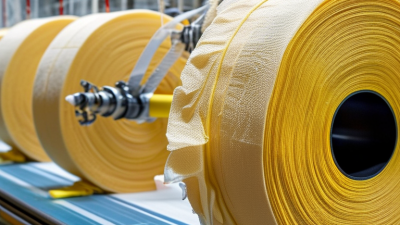
    Production efficiency is another factor. Some nonwoven processes can make large rolls quickly, helping suppliers meet demand for wipes, medical textiles, packaging, and insulation. The material can also be designed for absorbency, air flow, or strength. However, one fabric does not offer every quality at once. A highly absorbent sheet, for example, may not be the best choice when repeated washing is required. I would be cautious about broad claims that all nonwovens are sustainable; fiber type, bonding method, and disposal options affect their impact.

    Tips: Match the fabric to its actual use. Check weight, tear resistance, breathability, and whether it is intended for one use or repeated use. Small sample tests can reveal issues that a product description misses. A little testing helps.