Request quote
Request a quote

    What Is the Non Woven Fabric Industry and How Does It Work?

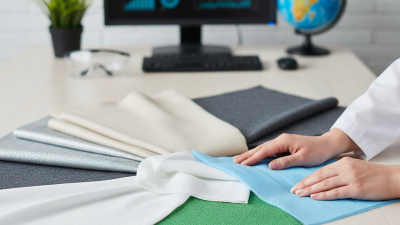
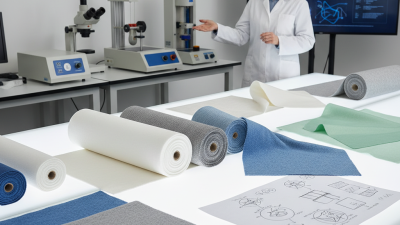
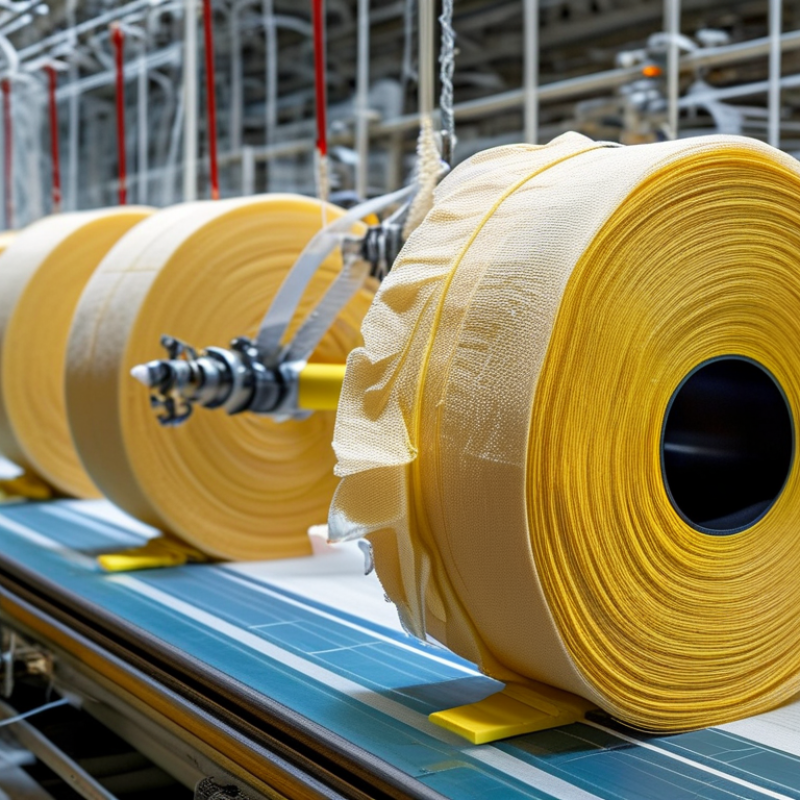
    The non woven fabric industry produces engineered materials without weaving or knitting yarns. Instead, manufacturers arrange fibers into a web, then bond them mechanically, thermally, or chemically. Picture a soft roll moving through a production line. Needles, heat, water jets, or binders shape its final structure.

    This process supports familiar products, including medical gowns, filtration media, hygiene items, automotive liners, and construction membranes. The material’s performance depends on fiber type, web formation, bonding method, thickness, strength, and porosity. Small changes matter. A tighter web may improve filtration but reduce airflow.

    Industry data shows why this sector deserves closer attention. Smithers’ report, The Future of Global Nonwovens to 2028, identifies continued growth across hygiene, healthcare, filtration, and technical applications. EDANA’s European industry statistics also show substantial production volume and strong demand for specialized nonwovens. These reports suggest a resilient market, not an effortless one. Energy costs, recycled-content requirements, and inconsistent waste infrastructure create practical pressure.

    Dr. Behnam Pourdeyhimi, former Executive Director of The Nonwovens Institute, has emphasized, “Nonwovens are everywhere.” His observation captures the industry’s unusual position. Its products often disappear inside other products, yet they influence safety, comfort, cleanliness, and durability. Understanding this industry requires more than tracking sales figures. It means examining raw fibers, equipment, quality testing, supply chains, and end-of-life choices. Some sustainability claims still need stronger evidence. That is an uncomfortable but necessary point. Reliable analysis must separate measurable progress from attractive marketing.
    What Is the Non Woven Fabric Industry and How Does It Work?

    Nonwoven Fabric Defined: Fibers Bonded Without Spinning or Weaving

    The nonwoven fabric industry makes textiles without spinning yarn or weaving threads. Manufacturers arrange loose fibers into a web and bond them through heat, pressure, chemicals, water, or mechanical entanglement. Common fibers include polypropylene, polyester, rayon, cotton, and wood-based cellulose. A production line may spread fibers evenly, compress the web, and apply controlled heat through patterned rollers. The surface can feel soft like fabric, yet its structure is closer to an engineered mat. Fiber direction, density, and bonding strength influence performance.

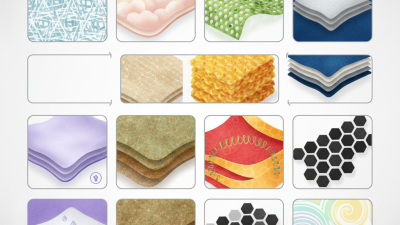
    Nonwoven materials serve as filtration media, medical covers, wipes, insulation, packaging, and construction layers. Their properties can be adjusted with surprising precision. A dense web can block fine particles, while a lighter web improves airflow and softness. Spunbond, meltblown, needle-punched, and hydroentangled methods create different results.

    Quality checks often measure basis weight, tensile strength, air permeability, absorbency, and tear resistance. Small changes in moisture or roller temperature may affect the final roll. Not every soft nonwoven feels comfortable after repeated use. That assumption deserves careful testing.

    Tips: Check the fiber type before choosing a material. Ask how the web was bonded. Review test data for the intended application, not only a product sample. For filters, examine particle performance and pressure drop together. For wipes, check wet strength, lint, and skin-contact requirements. Store rolls away from heat and moisture. Handling tests can reveal problems that specifications miss. A quick bend, tear, or rub test helps, but it cannot replace controlled laboratory testing.

    How Nonwovens Are Made: Web Formation, Bonding, Finishing, and Converting

    Nonwoven Fabric Industry: How the Material Is Made

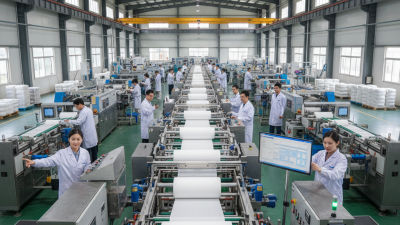
    Nonwovens begin with loose fibers, not woven yarns. Carding spreads staple fibers into a thin, cloud-like web. Airlaying can create thicker, more random structures. Spunlaid lines extrude polymer filaments directly onto a moving belt. Wetlaid systems use water to distribute very short fibers, similar to papermaking. The chosen route controls strength, softness, absorbency, and cost. INDA and EDANA reported global nonwoven production at approximately 15.2 million metric tonnes in 2023. Hygiene, medical, filtration, and construction applications absorbed much of this volume.

    The web still has little integrity. Bonding gives it usable strength. Heat can fuse thermoplastic fibers through calender rolls or hot air. Needlepunching drives barbed needles through the web, creating mechanical entanglement. Hydroentanglement uses high-pressure water jets and often produces a textile-like hand. Chemical binders remain useful, although drying energy and chemical selection require careful control. Finishing may add hydrophilic, water-repellent, antistatic, flame-resistant, or antimicrobial performance. These treatments can change softness and recyclability. Small adjustments matter.

    Converting turns the roll into a product. Slitting, laminating, perforating, embossing, folding, and ultrasonic sealing are common steps. Smithers’ global nonwovens market assessment identifies filtration and advanced hygiene as important growth areas through 2028. Yet forecasts are not factory instructions. Fiber moisture, web tension, and bonding temperature can shift performance within one production day. A laboratory sample may look perfect, then fail during high-speed converting. That gap deserves more attention.

    Core Technologies Compared: Spunbond, Meltblown, Needle-Punch, and Hydroentanglement

    Non-woven fabric is engineered fiber web, not woven yarn. Producers form fibers directly, then bond them mechanically, thermally, or chemically. Grand View Research estimated the global non-woven fabrics market at about USD 53.5 billion in 2023. Its forecast suggests continued growth through 2030, driven by hygiene, filtration, healthcare, and construction applications.

    Spunbond Spunbond extrudes continuous filaments, creating strong, lightweight sheets for hygiene products and packaging.

    Meltblown Meltblown uses finer fibers and higher surface area. It supports filtration, but its structure can be less durable without reinforcement.

    Needle-punching Needle-punching pushes barbed needles through layered webs. The result feels bulky and resilient, useful for automotive parts, carpets, and geotextiles.

    Hydroentanglement Hydroentanglement uses high-pressure water jets to entangle fibers. It produces soft, textile-like materials for wipes and medical fabrics.

    Smithers’ industry analysis identifies filtration, healthcare, and hygiene as important demand areas, although performance depends heavily on fiber type and finishing. No process wins every time. Cost, speed, absorbency, strength, and end-use safety must be balanced.

    Tips:

    Check basis weight, tensile strength, pore size, and liquid absorption together. A lightweight sheet may look efficient but fail during converting. Ask suppliers for lot-level test results, not only catalog averages. Pilot trials matter. In practice, hydroentangled fabric can feel superior, while spunbond may deliver better production stability. The comparison is not perfectly clean. Fiber blends, bonding conditions, and post-treatment can change the final result more than the process name suggests.

    Industry Scale: Global Nonwoven Production Exceeded 13 Million Tonnes in 2023

    The nonwoven fabric industry turns loose fibers into sheets without traditional weaving or knitting. Fibers may be natural, synthetic, or recycled. Machines first open and blend them, then form a web. Mechanical, thermal, or chemical bonding gives the web strength. The result can be soft like tissue or firm like molded technical material.

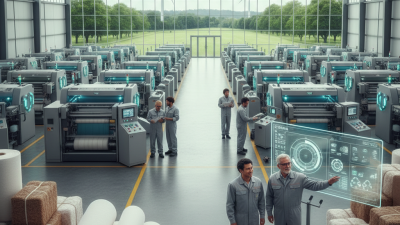
    Global nonwoven production exceeded 13 million tonnes in 2023, showing the industry’s enormous scale. This volume supports hygiene products, medical materials, filtration media, construction layers, agriculture covers, and automotive components. Production is measured carefully through basis weight, thickness, tensile strength, absorbency, and air permeability. Small changes can affect performance. A roll may look uniform, yet fail during converting if its strength varies across the width. The picture is not perfectly simple.

    Tips: Check the fiber type and bonding method before judging quality. Ask for test data, not only appearance. Compare performance under real temperature, moisture, and pressure conditions. A practical caution: high output does not always mean high value. Waste rates, energy use, and inconsistent specifications can weaken an otherwise efficient process. Industry decisions still require review.

    What Is the Nonwoven Fabric Industry and How Does It Work?

    Nonwoven fabrics are engineered sheet materials made by bonding fibers mechanically, thermally, or chemically instead of weaving or knitting them. In 2023, global nonwoven production exceeded 13 million tonnes, highlighting the industry's large manufacturing scale across hygiene, medical, filtration, construction, automotive, and consumer applications.

    The chart uses 13.0 million tonnes as a conservative lower-bound marker because reported 2023 global production exceeded this level; the actual total was therefore higher.

    Major Applications: Hygiene, Medical, Construction, Filtration, and Automotive Uses

    Nonwoven fabric is engineered from loose fibers rather than woven yarns. Manufacturers form a web through spunbond, meltblown, or carding processes. Heat, pressure, needles, or binders then lock the fibers together. The structure can be soft, absorbent, breathable, strong, or highly resistant to liquids.

    Its largest applications are practical and close to daily life. In hygiene products, a nonwoven topsheet moves moisture away from skin, while absorbent cores retain liquid. Medical gowns, masks, wound dressings, and sterilization wraps rely on controlled fiber barriers. Construction uses include roofing membranes, insulation layers, and geotextiles beneath roads. These materials help manage water and soil movement. Filtration grades capture particles in air, water, and industrial systems. Automotive interiors also use nonwovens for cabin filters, trunk liners, acoustic insulation, and lightweight trim.

    Market estimates differ because researchers classify products differently. Grand View Research valued the global nonwoven fabric market at about USD 53.5 billion in 2023, with continued growth projected through 2030. Smithers, in The Future of Nonwovens to 2028, identifies hygiene, healthcare, filtration, and construction as major demand drivers. Those forecasts are useful, but not perfectly tidy. Recycling remains difficult when fibers, coatings, and adhesives are combined. That weakness deserves more attention. Better design could reduce waste without sacrificing clean surfaces, filtration performance, or passenger comfort.

    What Is the Non Woven Fabric Industry and How Does It Work? — Major Applications: Hygiene, Medical, Construction, Filtration, and Automotive Uses
    Nonwoven fabrics are engineered sheet or web materials made by bonding fibers mechanically, thermally, chemically, or through a combination of these methods, rather than by traditional weaving or knitting.
    Application Sector Typical Nonwoven Products Common Fiber Materials Main Manufacturing Processes Key Functional Requirements How the Material Creates Value Typical End Uses
    Hygiene Top sheets Back sheets Acquisition layers Elastic components Polypropylene, polyethylene, polyester, rayon, wood pulp, and superabsorbent polymer combinations Spunbond, meltblown, spunmelt, airlaid, and composite lamination Soft hand feel, liquid acquisition, fluid distribution, breathability, low lint, and skin comfort Lightweight bonded webs can provide controlled liquid movement while allowing manufacturers to combine multiple functional layers in one disposable product. Baby diapers, adult incontinence products, feminine hygiene products, wipes, and disposable underpads
    Medical and Healthcare Surgical gowns Face coverings Drapes Wound dressings Polypropylene, polyester, rayon, cellulose, polyethylene, and specialty absorbent fibers Spunbond, meltblown, needlepunch, hydroentanglement, airlaid, and chemical bonding Barrier protection, breathability, fluid resistance, absorbency, low particle release, and compatibility with sterilization methods Engineered pore structures can help balance protection against liquid and particles with wearer comfort and air permeability. Protective apparel, surgical drapes, masks, caps, shoe covers, wound-care materials, and sterilization wraps
    Construction and Geosynthetics Roofing membranes House wrap Acoustic layers Geotextiles Polypropylene, polyester, glass fibers, mineral fibers, and recycled polymer fibers Needlepunch, spunbond, thermal bonding, resin bonding, and multilayer lamination Tensile strength, dimensional stability, drainage, separation, filtration, moisture management, and resistance to soil or construction loads Randomly oriented fibers can form permeable reinforcement and separation layers that support drainage and help control the movement of soil, water, air, or heat. Road construction, drainage systems, erosion control, roofing, wall insulation, flooring underlay, and concrete curing materials
    Filtration Air filters Liquid filters Dust collectors Membrane supports Polypropylene, polyester, fiberglass, cellulose, activated carbon composites, and specialty synthetic fibers Meltblown, spunbond, wetlaid, needlepunch, electrostatic treatment, and multilayer assembly Particle capture, pressure-drop control, dust-holding capacity, chemical compatibility, wet strength, and service life Fiber diameter, pore size distribution, web thickness, and surface treatment determine how particles or contaminants are captured and how easily air or liquid flows through the filter. HVAC filters, industrial dust filtration, water treatment, fuel filtration, respirator filter media, and laboratory filtration
    Automotive Trunk liners Carpet backing Cabin filters Acoustic insulation Polyester, polypropylene, polyethylene terephthalate, polyamide, glass fibers, and recycled fibers Needlepunch, spunbond, meltblown, thermal bonding, resin bonding, and compression molding Low weight, sound absorption, thermal insulation, abrasion resistance, moldability, dimensional stability, and low volatile emissions Nonwovens can replace or supplement heavier materials in interior, filtration, insulation, and reinforcement components while supporting complex shapes. Interior trim, headliners, floor coverings, seat components, wheel-arch liners, engine-compartment insulation, and cabin air filters
    Agriculture and Horticulture Crop covers Mulch fabrics Root barriers Plant protection webs Polypropylene, polyester, polyethylene, and biodegradable or compostable fiber blends Spunbond, meltblown, needlepunch, and laminated constructions Light transmission, air and water permeability, temperature moderation, weed control, and resistance to outdoor exposure Porous structures can protect crops from insects, wind, frost, and excessive evaporation while allowing selected levels of light, air, and water to pass through. Seedling covers, greenhouse materials, soil stabilization, nursery containers, and irrigation-related components
    Furniture and Bedding Mattress covers Upholstery backing Quilt interlinings Furniture liners Polyester, polypropylene, rayon, cotton, recycled fibers, and blended fiber systems Needlepunch, thermal bonding, spunbond, hydroentanglement, and resin bonding Softness, resilience, tear strength, dimensional stability, air permeability, and resistance to repeated compression Nonwoven layers provide support, separation, cushioning, and surface protection without the complexity of woven fabric construction. Mattresses, upholstered furniture, pillows, quilts, furniture dust covers, and carpet underlay
    Industrial and Protective Uses Abrasive backings Battery separators Cable wraps Oil-absorbent pads Polyester, polypropylene, cellulose, aramid, glass fibers, and chemically resistant specialty fibers Wetlaid, needlepunch, spunbond, meltblown, thermal bonding, and impregnation Electrical insulation, absorbency, chemical resistance, heat resistance, reinforcement, controlled porosity, and dimensional stability Manufacturers can tailor fiber type, bonding method, thickness, and surface treatment to meet specific mechanical, electrical, thermal, or chemical requirements. Industrial wipes, insulation, protective packaging, battery components, filtration supports, composites, and spill-control materials
    How the industry works: Fiber selection and web formation determine the basic structure; bonding technology establishes strength and durability; finishing, coating, laminating, perforating, or printing adds application-specific performance. Final quality is commonly evaluated through basis weight, thickness, tensile strength, tear strength, air permeability, absorbency, barrier performance, and dimensional stability.